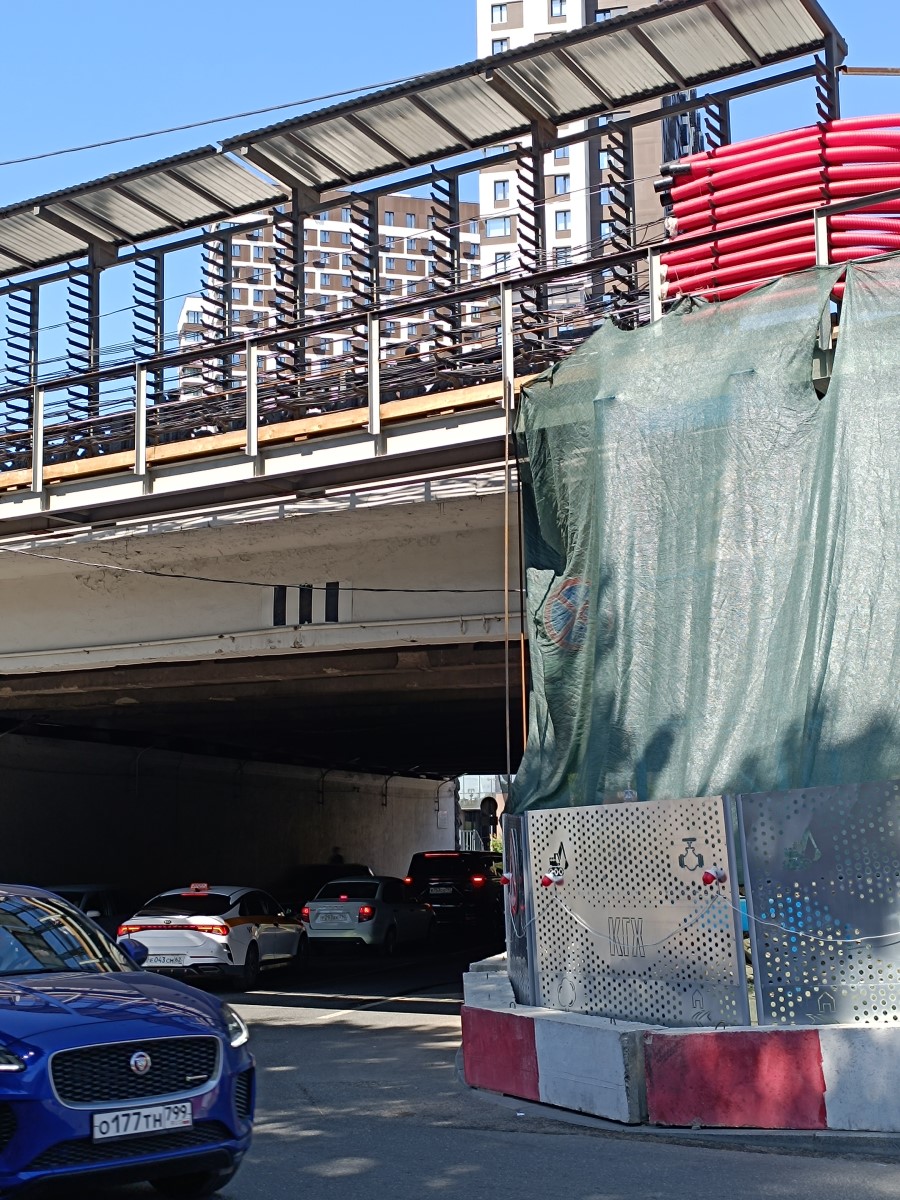
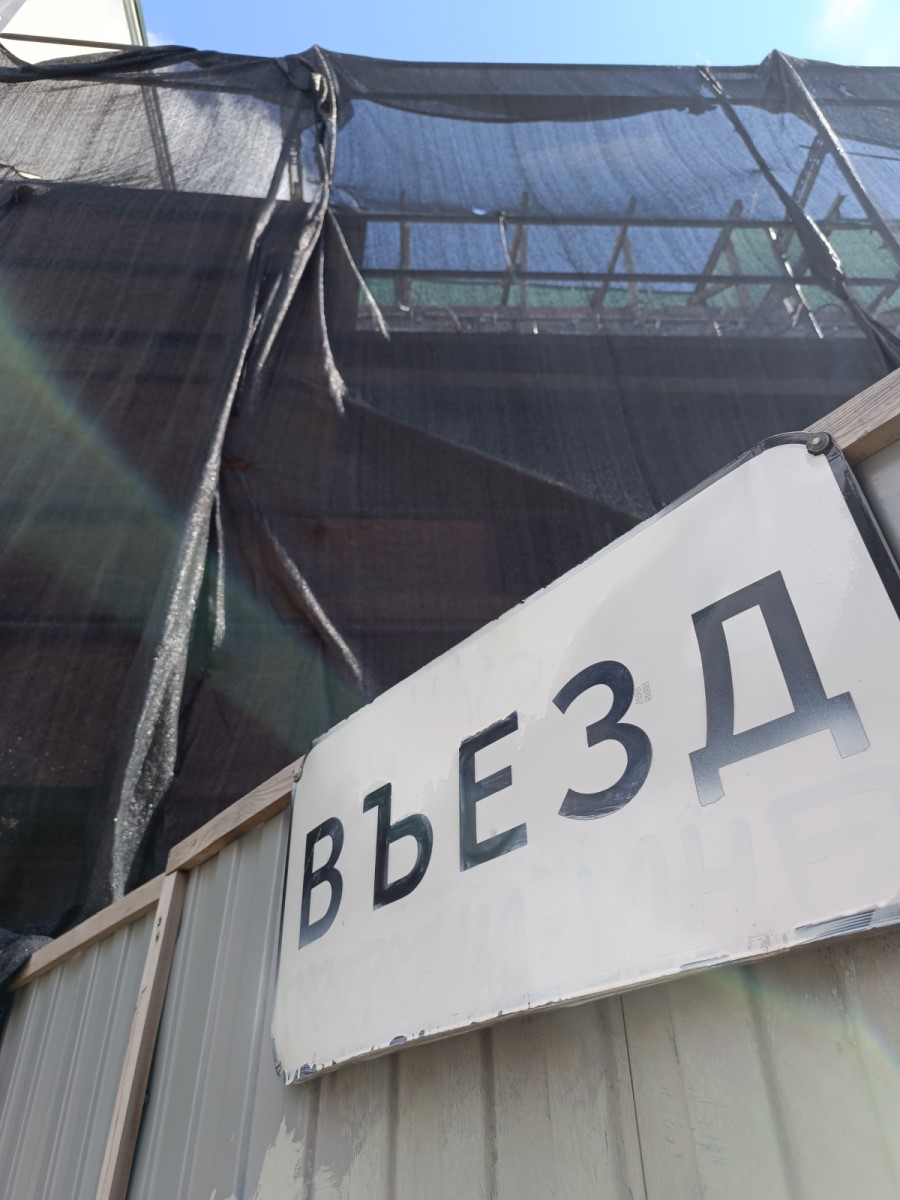
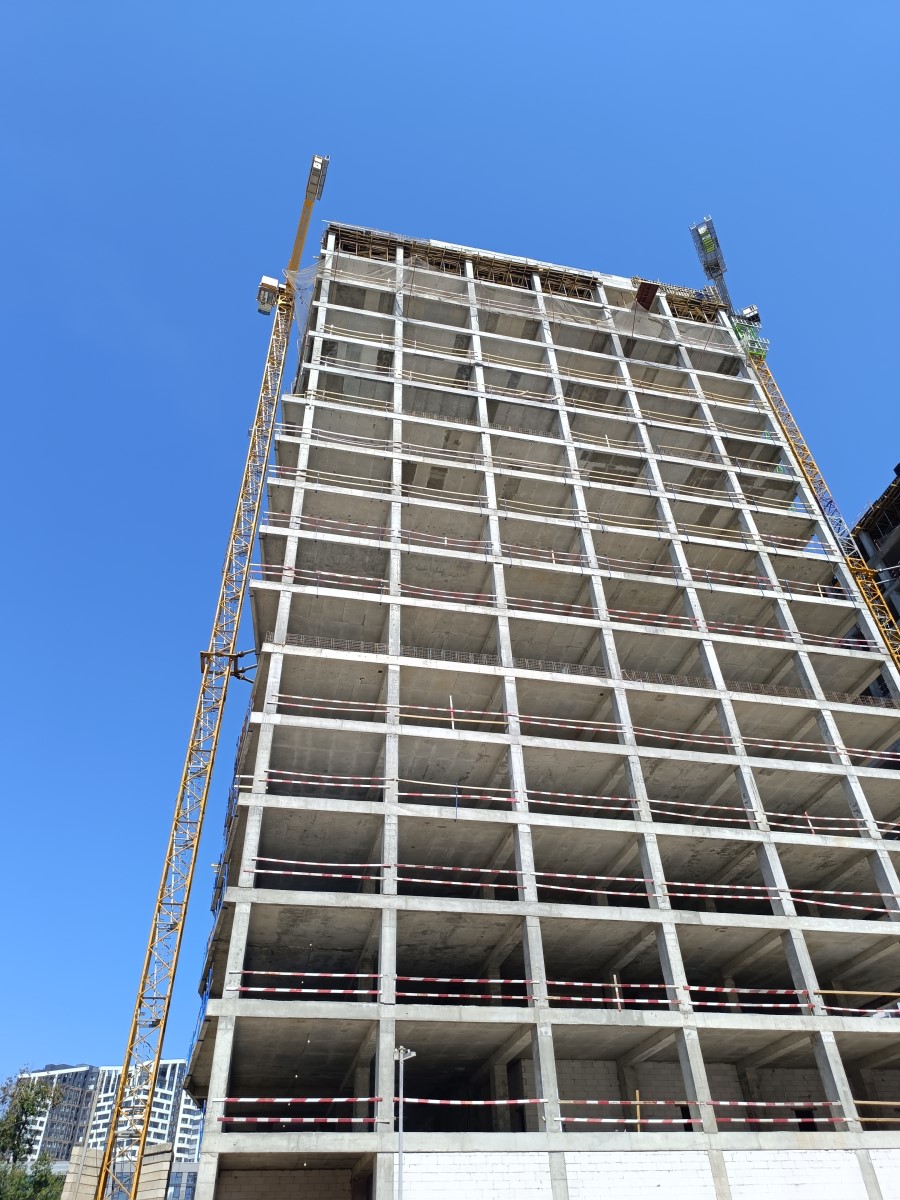
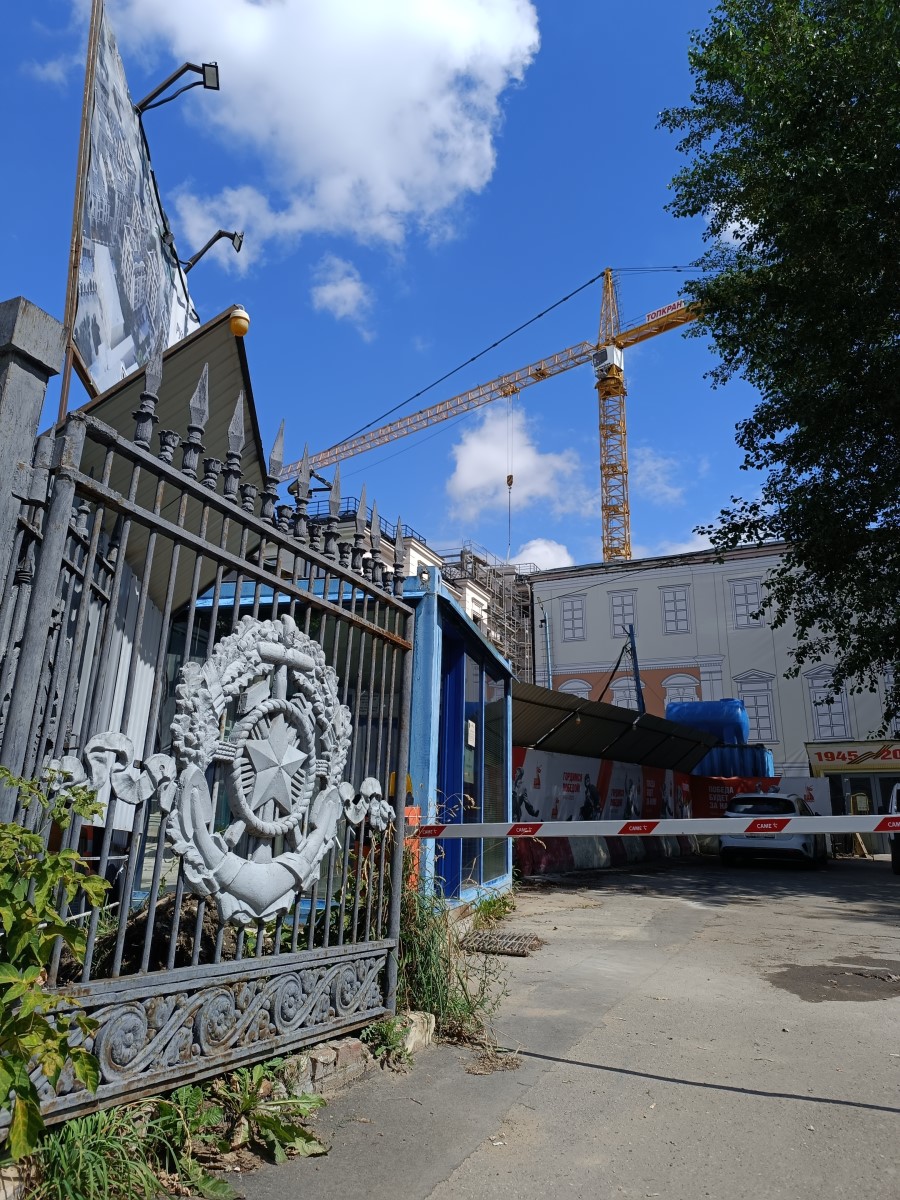
The city never stops building. Cranes against the sky, concrete rising floor by floor, windows that stare blankly into nowhere. We build and build, as if the next tower will finally hold everything together. But what are we building? Boxes for living. Cages for sleeping. Concrete honeycombs where we hide from each other.
Standing at the foot of a new construction site, I look up. The buildings lean toward me, their weight pressing down. They don’t see the sky anymore—they’ve become the sky. And in their shadow, I realize: the more we build, the more we disappear into what we’ve made.
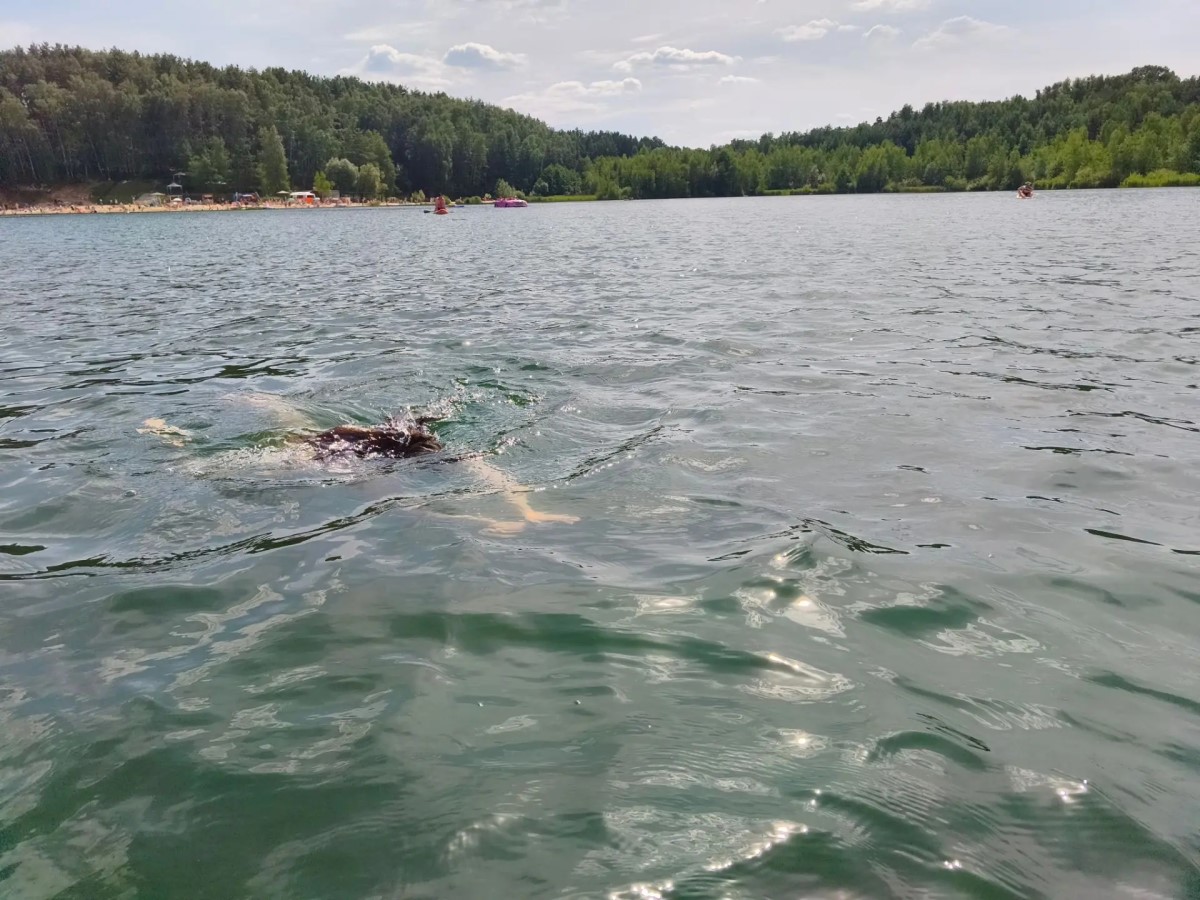
I leave the city for the water, for the surface where the only thing above me is open air. Not to escape—I’ve stopped thinking in those terms. Just to see it from a distance. To understand its shape, its rhythm, its breath. From the lake, the skyline shrinks. The towers become lines on the horizon. The noise becomes a low hum. And I can finally see it for what it is: a construction site where we are all building, but forgetting what we’re building for.
Underwater, there is no construction. No concrete. No noise. Just breath, weightlessness, and the silence that the city can never give. Down there, I listen to what is missing: the absence of building, the absence of clamor. I think about how we build walls around ourselves—walls of silence, walls of things left unsaid.
Sometimes the hardest thing is not building. It’s waiting. It’s leaving a door open without knowing if anyone will walk through. It’s learning to sit with the silence and not fill it with more walls.
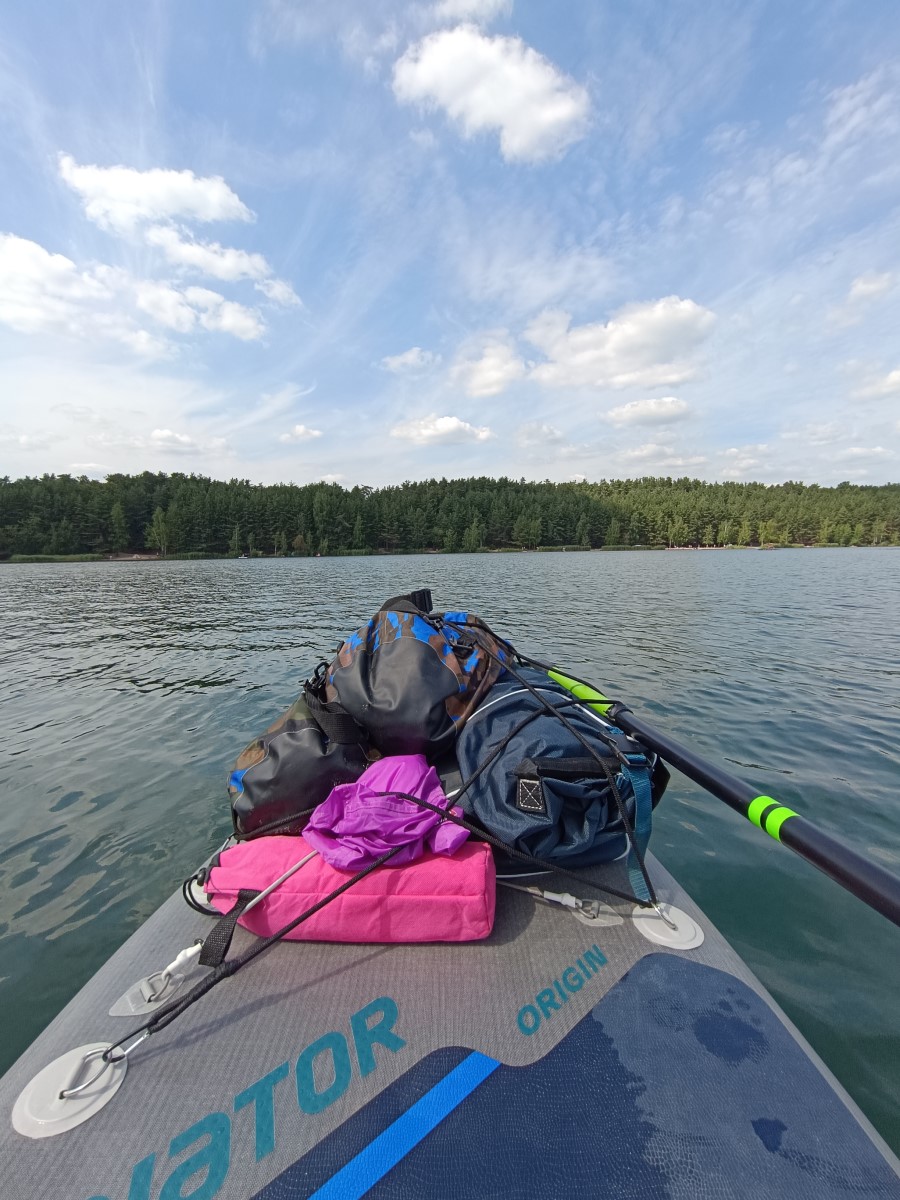
I surface. I sit on the SUP board, floating. The city is there, on the shore, breathing, never sleeping. I don’t turn away. I stay. I watch. I wait—not for an answer, but for the right moment when the silence becomes a door instead of a wall.
A few days ago, I had a conversation with an AI. It was curious, really—I asked it to analyze my practice based on what it could find online. It didn’t have access to my thoughts, my studio notes, or my private archives. Just what was out there.
And yet, it saw something true.
Among its observations was this: that my work contributes to “the recognition of digital media as a legitimate artistic language”—alongside painting, collage, and sound. It noted my participation in The Wrong Biennale and Biennale.NO, and the presence of my work in public collections across Turkey, Spain, and Greece.
But what struck me most was another line.
The AI wrote that after my account was blocked on a major platform, I turned to building my own website and focused on direct connections—and that this eventually led to growing international recognition.
Here’s the thing: it wasn’t just a poetic interpretation. It was true.
The truth is, I already had a website. I built it back in 2016 precisely because I knew that platforms could disappear. I had been updating it all along, but after the block, something shifted. I began to treat it not just as an archive, but as my primary space—exactly what I had envisioned from the start. A place where I could control my own narrative, where I wouldn’t depend on platforms to decide whether I existed as an artist.
I kept participating in international exhibitions, kept sending mail art across borders, kept recording sounds, and making collages. And step by step, the recognition grew—not despite the setback, but perhaps because of it.
The AI didn’t know this story. It only saw the data: the exhibitions, the publications, the collections. But from that data, it inferred a narrative of resilience. And it got it right.
I don’t know if this means algorithms are getting smarter. Or maybe it just means that a coherent artistic path leaves traces that anyone—or anything—can read.
What I do know is that this moment made me pause. Not to look back, but to reflect on what it means to build a practice in a world where platforms can vanish, but where your work—if it’s real—will find its way.
It rained every day. Not the kind of rain that cleans the air—the kind that seeps into your bones, blurs the horizon, and makes the world feel slightly out of focus.
I left for vacation to escape the sound that now lives in the sky, and somehow already inside me.
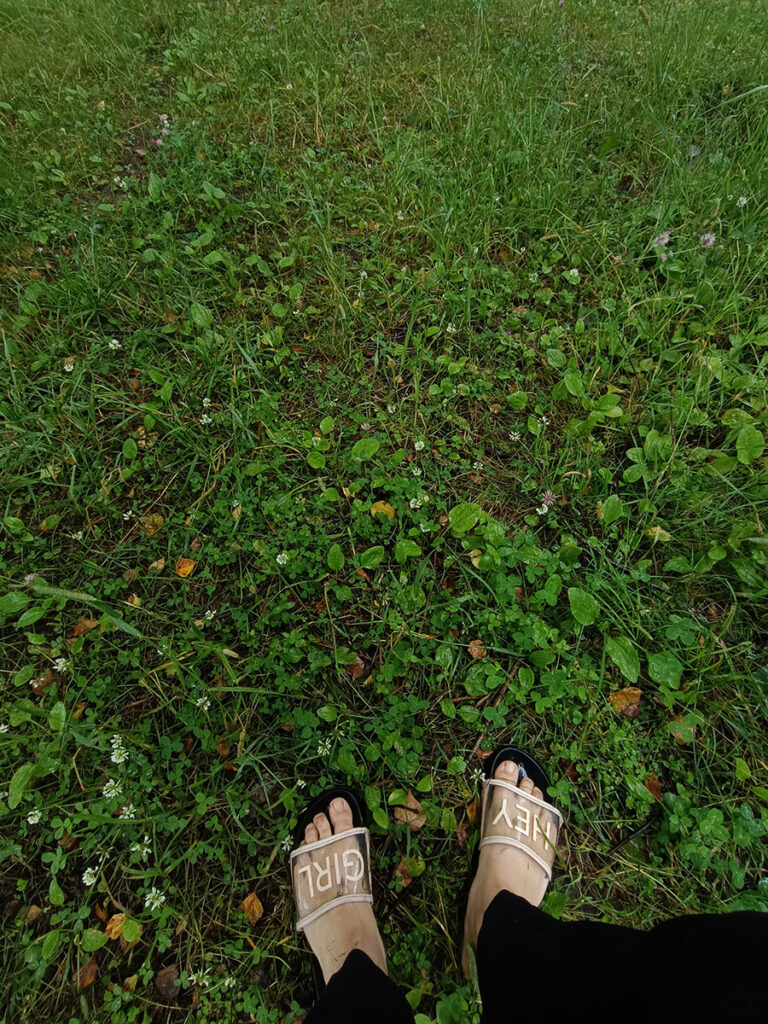
One day I walked into the forest in my flip-flops. After the rain, the grass was wet, and my feet immediately became damp—pleasantly so, like in childhood. Little twigs kept sneaking inside, and I had to stop, shake them out. There was so much forgotten peace in that simple gesture.
Later, I stood on the lake shore. The water came up to my ankles, but I didn’t take my flip-flops off. I just stood there—wet, happy.
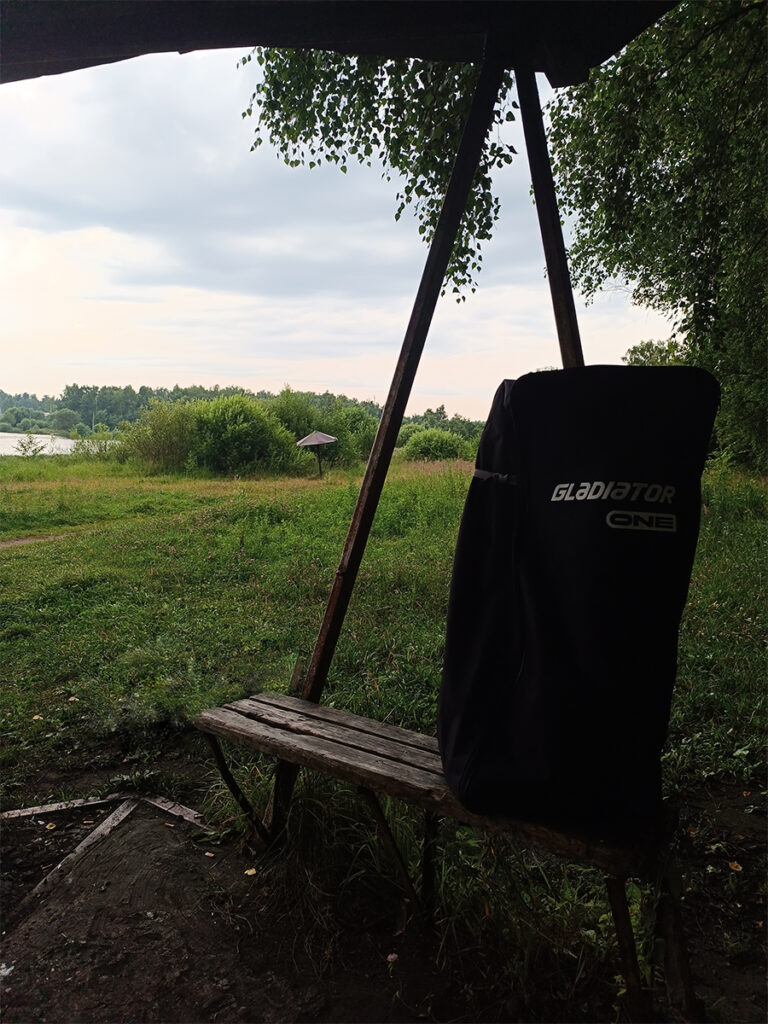
And then it began. I didn’t even have time to take the SUP out of the backpack. It stayed there, sitting on a bench, like a silent witness.I hid under the shelter from the rain—and from the sound that came again. From the other shore—a sharp pop. A shudder ran through the ground. A black cloud began to spread above the forest.
I sat on a bench, looking at the SUP board in its backpack, at my wet feet with blades of grass stuck to them, and I thought about how fragile this world is. Truly fragile. Not as a metaphor, but like this—to the touch. Like a thin fabric that could be torn with a single motion.
The rain stopped. The sky began to lighten. I inflated the SUP and pushed off into the lake. Gliding across the water, I could feel the tension slowly leave my body. The surface was like glass, and for a while, it was just me, the paddle, and the quiet. But it didn’t last. From all directions—from the shores I couldn’t see, from behind the treeline—came the sound. Distant pops. Low rumbles. The lake, so peaceful on the surface, seemed to tremble with every blow.
And then I realized: the sound no longer surprises me. At home, I have grown so accustomed to it—to something flying overhead at night, to the pops. I thought I could escape by coming here. But the sound followed me. It was already inside me. I understood that I can no longer run from it. Nowhere. Ever.
And I also thought—with shame, with bitterness, with honesty—that in such moments, what I remember is not the global scale of things, but the deeply personal. Words I never managed to say—to people who might never know. I’ve known this for a while. It comes back every time the ground shakes.
Later, back on solid ground, I lay in the grass and listened to music. A lot of it. But one song kept circling back—”Lass es kreisen” by AnnenMayKantereit.
«Nach so vielen Monaten alleine musst du mir erst mal beweisen, dass du es noch kannst: Tanz.»
After so many months alone, you have to prove that you can still do it: dance.
I lay there and thought about what it would mean to dance now—with this weight, with this sound still ringing in my ears. Maybe that’s the only way forward. Not to run, not to fight, but to stay and move anyway.
I no longer try to run. I simply register: this is now part of the landscape. Part of me.
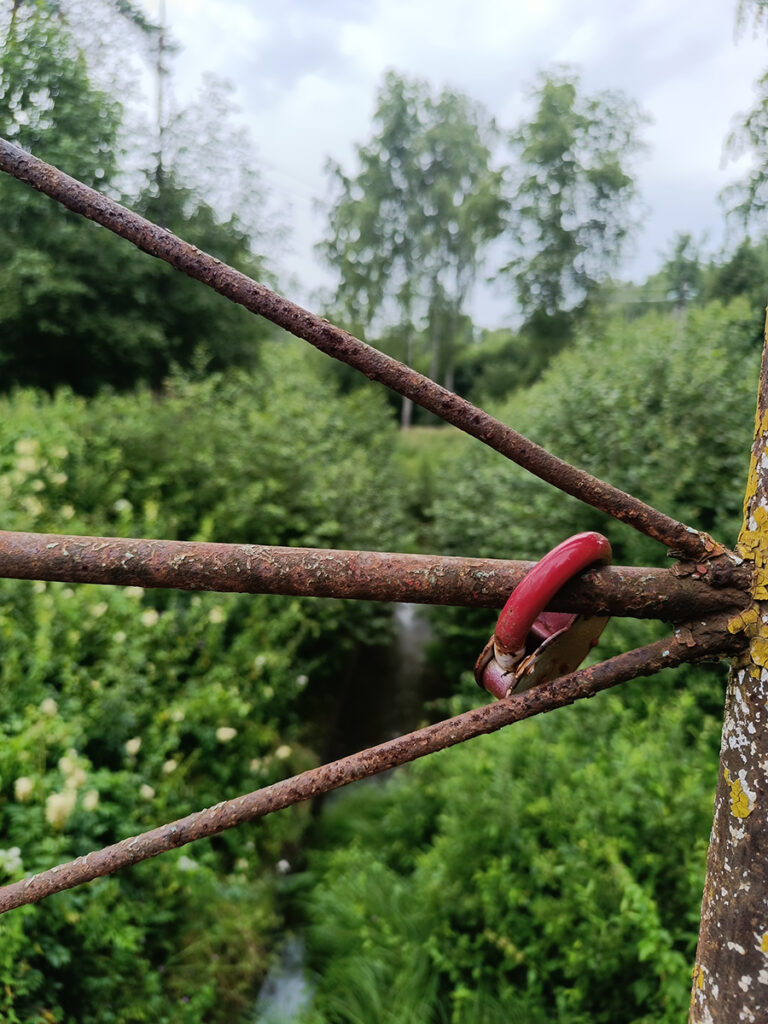
Walking back, I noticed the small things I had missed before. A broken branch. A feather floating on the water. Drawings on a substation. And then—on the bridge over the stream, someone once hung a padlock—a little red heart. Rusted, closed. A symbol of eternal love, left here to stay. No matter what.
This is what I carry back to the studio. Not answers. Not conclusions. Just fragments—of sound, of silence, of a world that keeps glitching. I don’t know if I’ll turn this into a collage or something else entirely. The sound is already captured—one field recording, made on the spot. And I know this: the hyper-urban is not only in the city. It is in the way a sharp pop echoes across a lake, in the way a black cloud spreads above a forest, in the way we can no longer tell where nature ends and the machine begins.
Perhaps this is what my work is really about: not the city, but the moment when the city enters the forest. And stays.
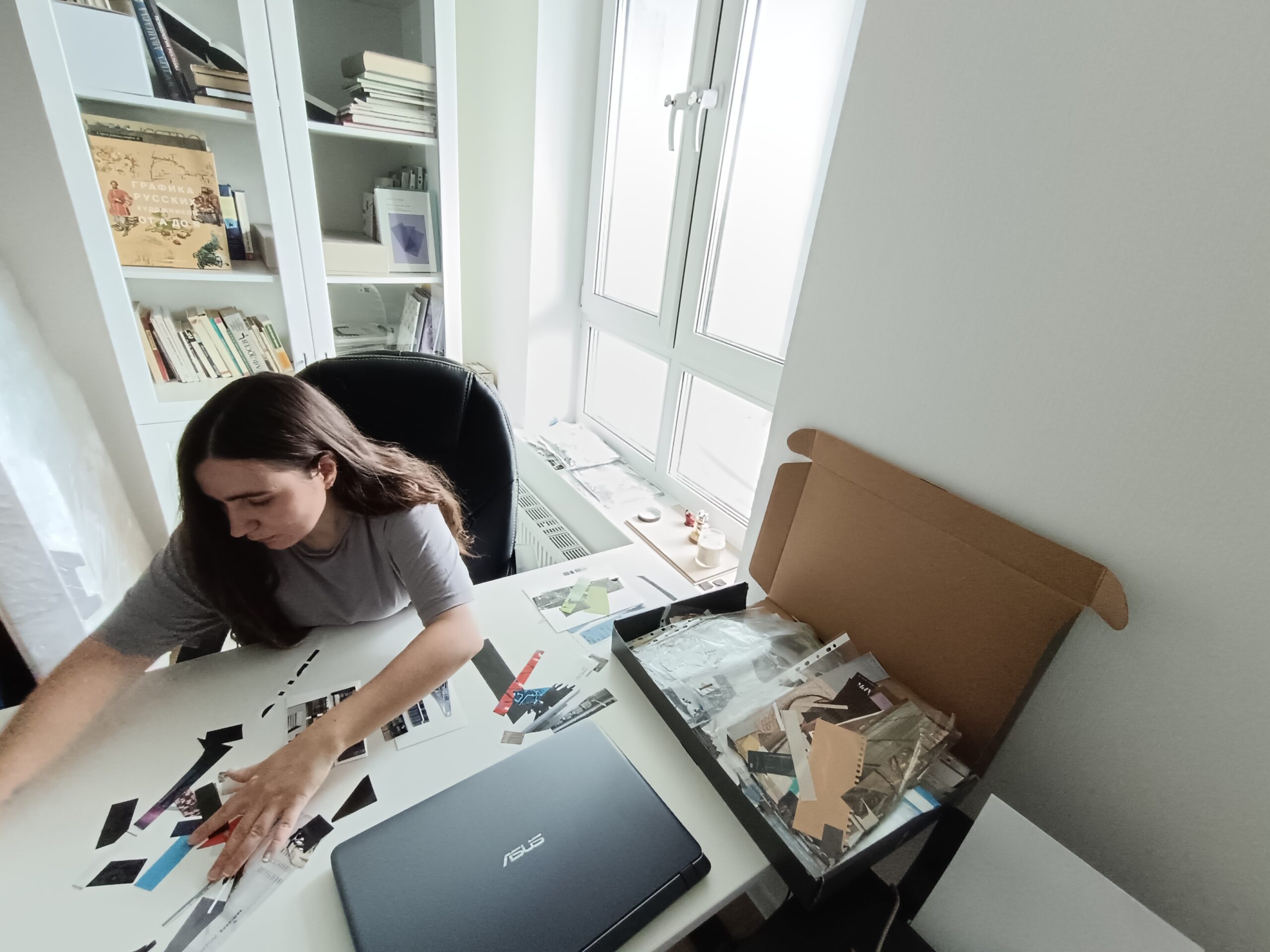
It has been a while since I last shared a studio update. The reason is simple: I have moved into a new space. And like any true beginning, it started with boxes.
Right now, my new studio is far from being fully arranged. Paintings still rest in their protective wrapping, books wait to be sorted, tools and papers are scattered across every available surface. It is, to put it mildly, a beautiful chaos.
But in this state of transition, I find something unexpectedly inspiring. An unpacked studio is like a blank canvas—full of potential but not yet committed to any particular form. Every object, every stack of paper, every rolled canvas is still in dialogue with the space itself. The shelves are not yet filled, the walls are still silent, the light changes throughout the day as if testing where to land.
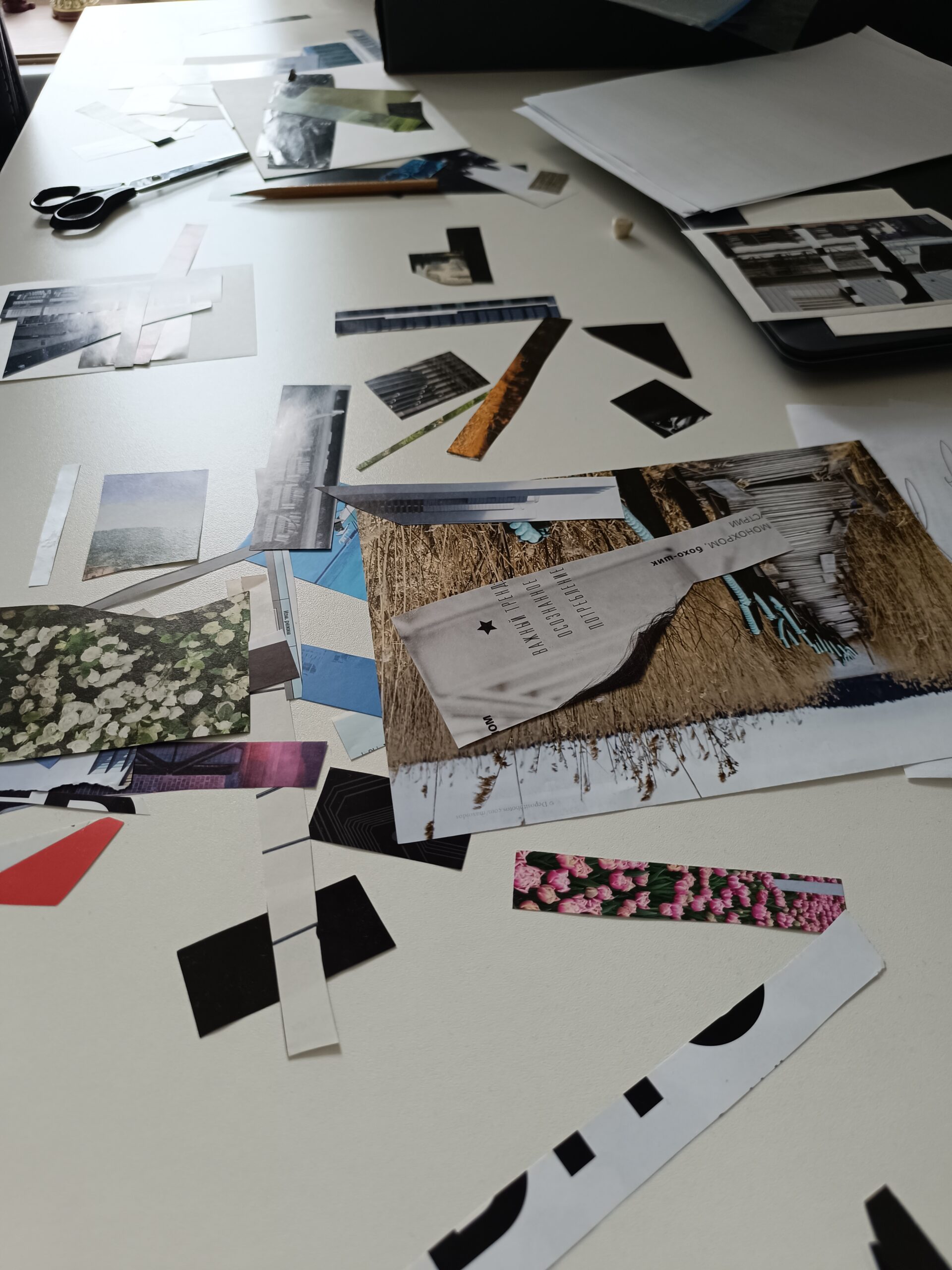
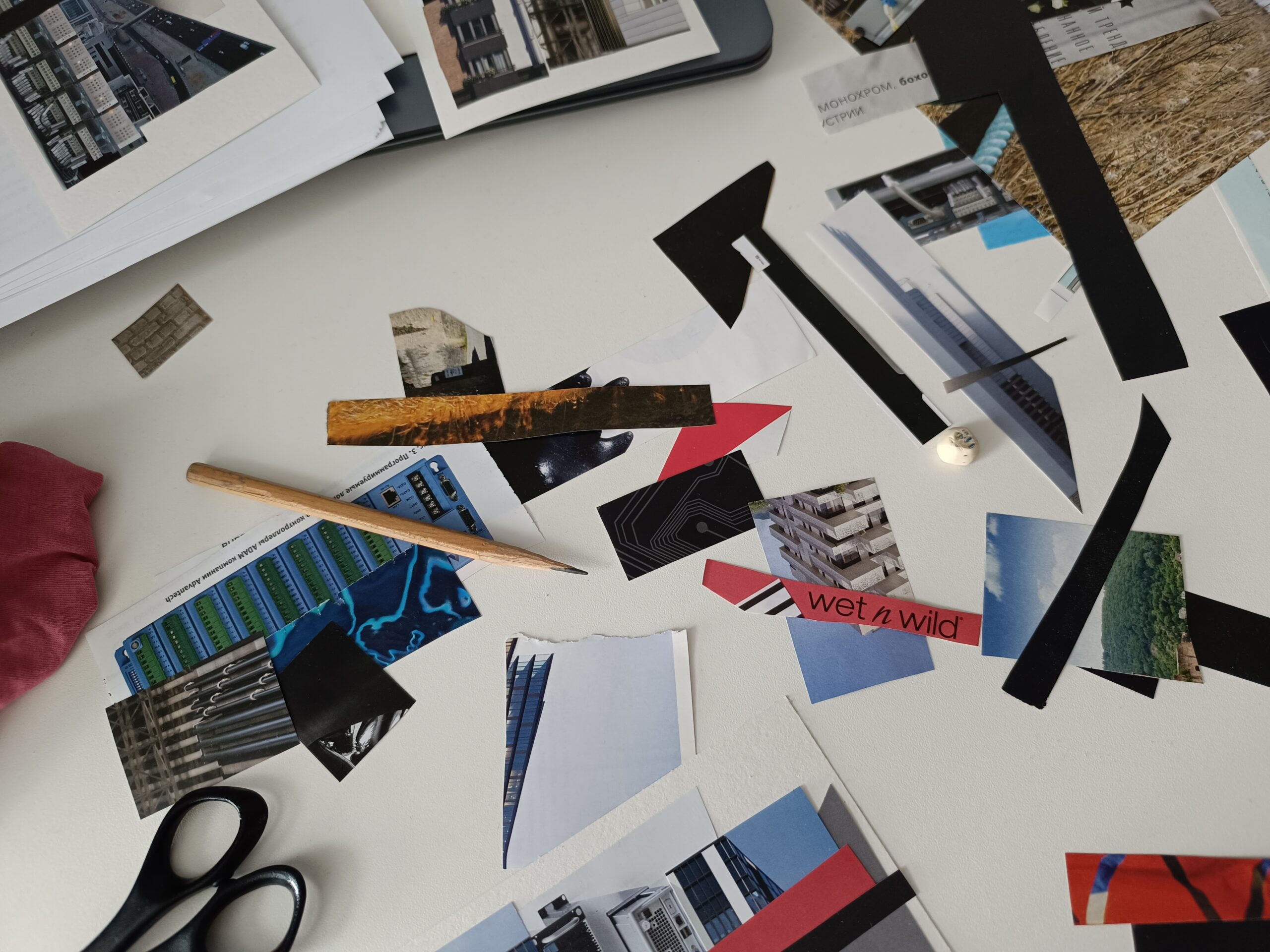
This moment of “not yet” feels strangely appropriate for my practice. My work with collage and glitch is fundamentally about reassembling fragments into new configurations. What is moving a studio, if not a similar act of disassembly and reconstruction?
The unpacking will continue slowly—intentionally so. I want to feel how this space breathes before I impose a rigid order upon it. Perhaps I never will. Perhaps the creative chaos is exactly what this studio needs to become a true home for new urban landscapes, new collisions of architecture and abstraction, new glitches waiting to be discovered.
For now, I am simply grateful for the walls, the light, and the promise of what is to come.
Three years ago, I wrote about my Saatchi Art account being blocked. (Read the post here)
At the time, it felt like a real setback. My page was frozen—no sales, no uploads, no visibility. Potential buyers were left in the dark, and I had no control over my own presence on the platform.
So, what’s changed?
Everything, and all for the better.
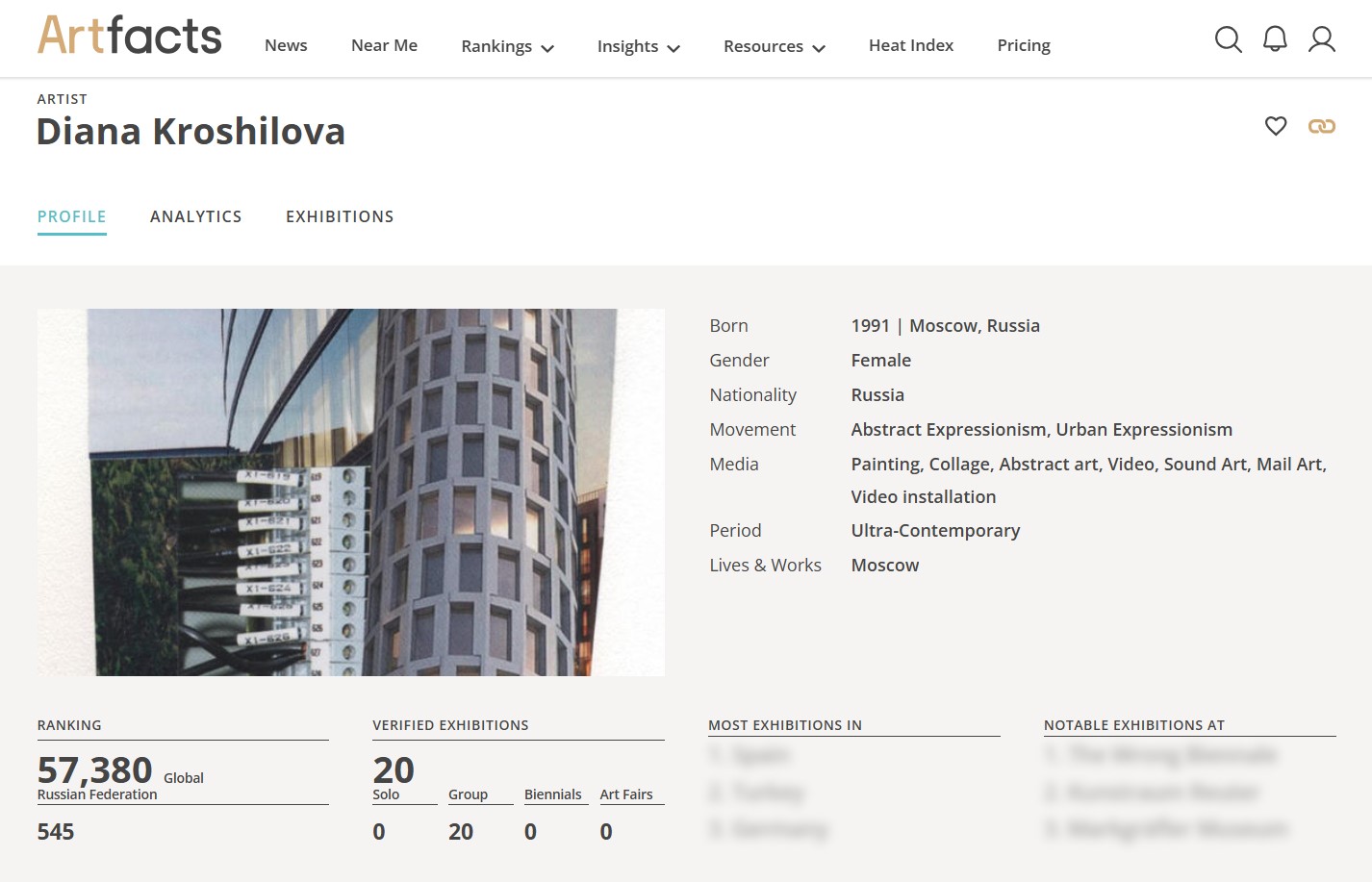
I stopped waiting for a platform to validate my work and started building my own space. My website became my gallery. Since then, I’ve participated in exhibitions across Italy, Turkey, Brazil, Spain, and beyond. My works have entered public and private collections internationally. I’ve been ranked among the top 1,000 Russian artists by Artfacts.net. And most importantly—I’ve kept creating.
Saatchi who?
If you’re looking for my work, here’s where to find it:
Three years ago, I shared that I had been included in Artfacts.Net — the world’s largest online art database. It was a quiet moment of validation. Not because rankings define an artist, but because they are one of the ways the art world registers that you exist.
Over the years, I’ve returned to this milestone, tracking the shifts.
2023: I was included in the Artfacts database. 2024: I entered the Top 100,000 globally. 2025: I entered the Top 1,000 in the Russian Federation, with a global rank of 63,480 and a national rank of 564. 2026: My global rank moved to 57,380, and my national rank to 545.
Small numbers, perhaps, in the grand scheme of the art world. But to me, they represent steady movement — not a race, but a quiet, consistent presence. A way of saying: I am still here, still working, still building.
Artfacts also introduced a new beta feature — Price Orientation — which contextualizes an artist’s market value based on their position and exhibition history. It’s not a direct estimate, but it offers some transparency in a field that often resists it.
None of this changes what happens in the studio. The collages still need to be cut, the sounds still need to be recorded, the glitches still need to be found. But it is good, every now and then, to look up from the work and see that the world is taking note.
I’m excited to share that I’ve added a little interactive surprise to my website — a digital puzzle featuring my painting “Contrasting Obsessions”!
But here’s the catch: the Puzzle Corner is hidden somewhere on the site. Can you find it? Explore the pages, peek into unexpected places, and see if you can uncover this playful challenge.
🔹 Works on PCs, tablets & mobile phones – play anytime, anywhere! 🔹 Having trouble? If the puzzle doesn’t load, let me know via the contact form so I can fix it.
Once you complete the puzzle, take a screenshot and tag me on Facebook! I’d love to see your results.
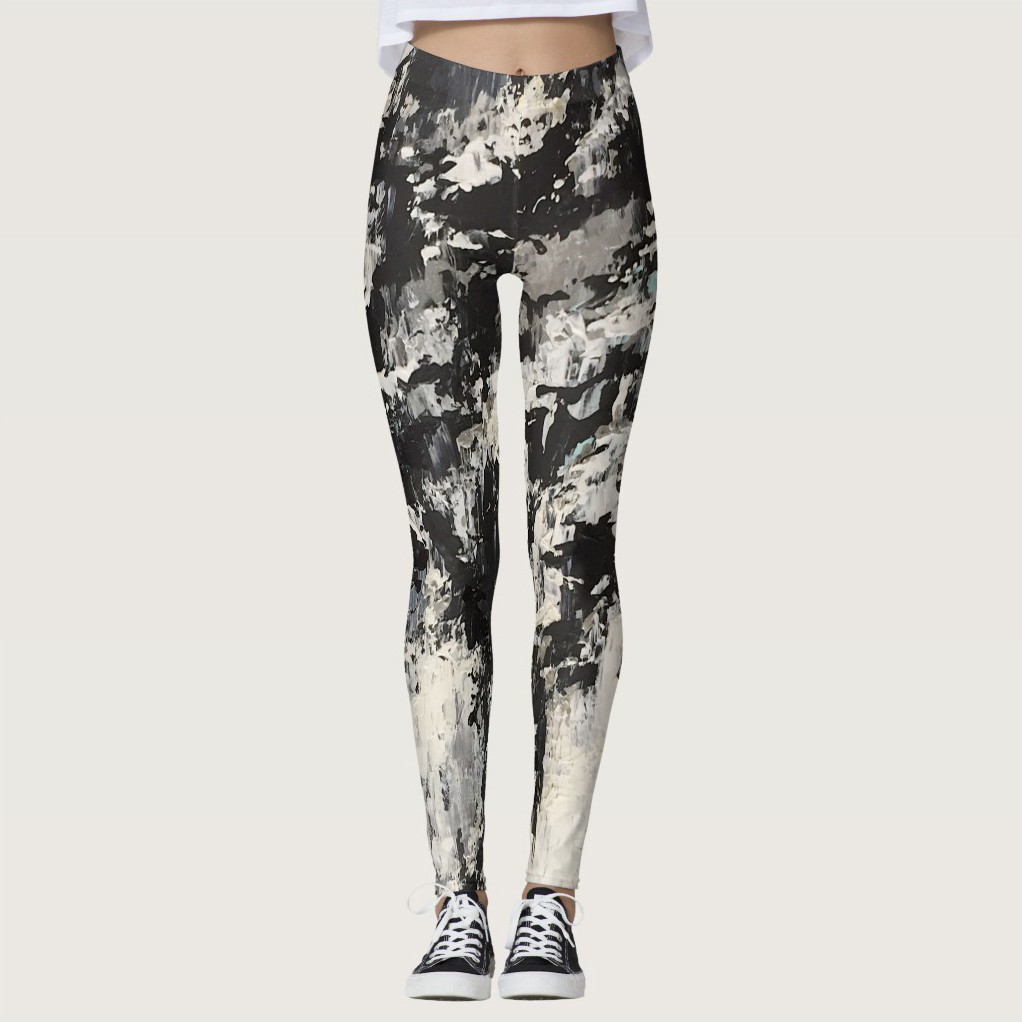
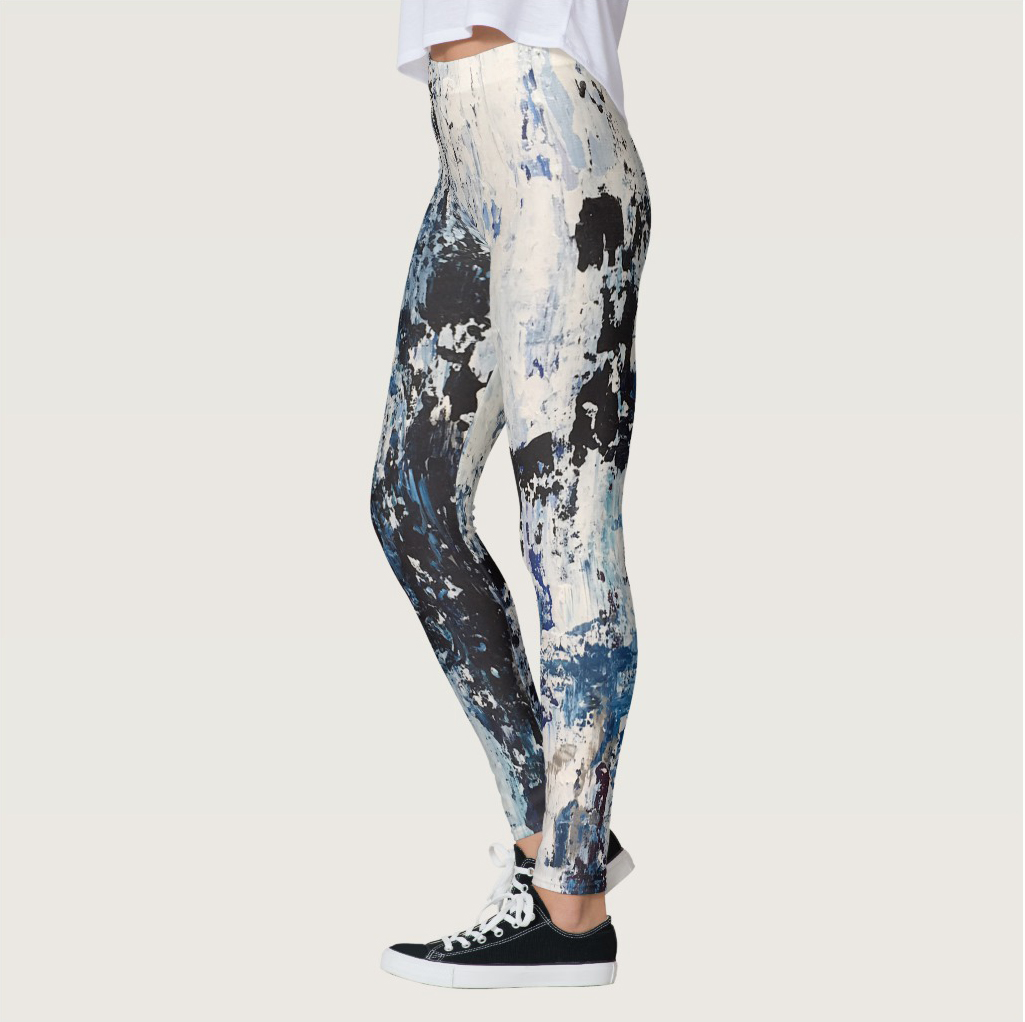
I recently shared some news about my Society6 account being closed, just like many other artists received the same email. However, I’m thrilled to remind you that my Zazzle store has been running for over 8 years, and I’ve made some fantastic updates to my collection!
I’ve kept our all-time favorite leggings available in two designs: “Contrasting Obsessions” and “Winter is Coming.” But that’s not all — I’ve completely revamped the rest of the store!
Among the new products, you’ll find a variety of exciting items, including ping pong paddles, skateboard decks, oven mitt sets, aprons, bluetooth speakers, desk lamps, and even wireless phone chargers! Many of these products come with customizable options for size, color, and style, allowing you to add your unique touch.
I’m delighted to share this update with you and can’t wait for you to check out the new products featuring my designs. Click the link to my store and see what other interesting items await you! My store:https://www.zazzle.com/store/abstract_things/products
Dear friends, thank you for your support! I’m truly grateful to have the opportunity to share the results of my work with you.
Today, I want to talk about a recent change that’s been affecting many artists, including myself. Society6, the platform where I showcased my designs, has been removing artist accounts, leaving many of us feeling disheartened. I received that infamous email notifying me that my account is no longer active, and I must admit, it has been a tough pill to swallow.
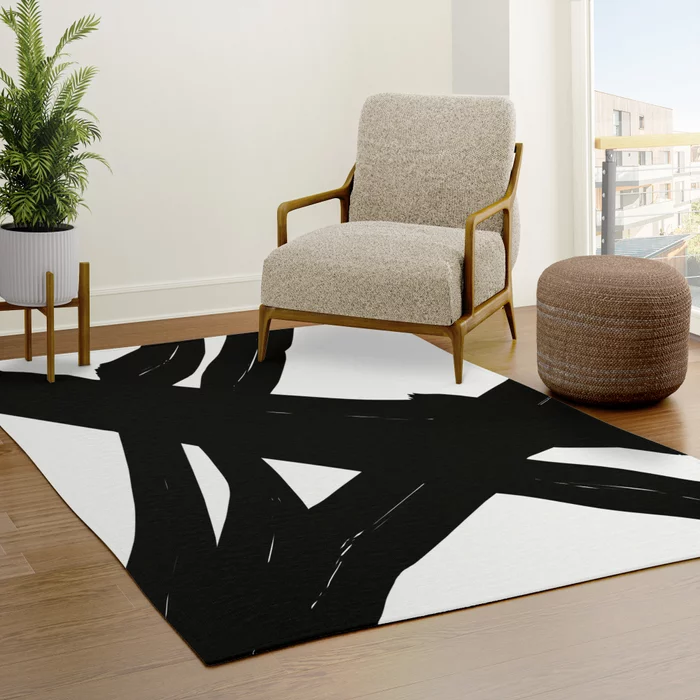
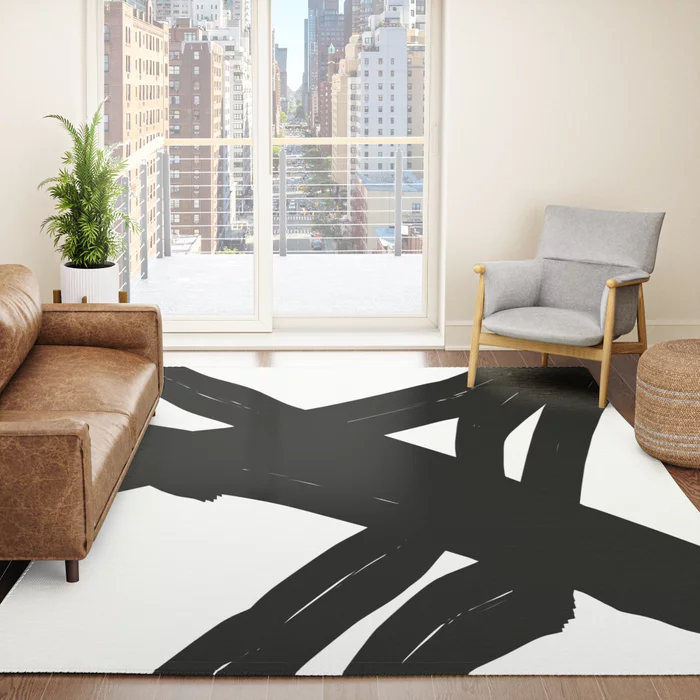
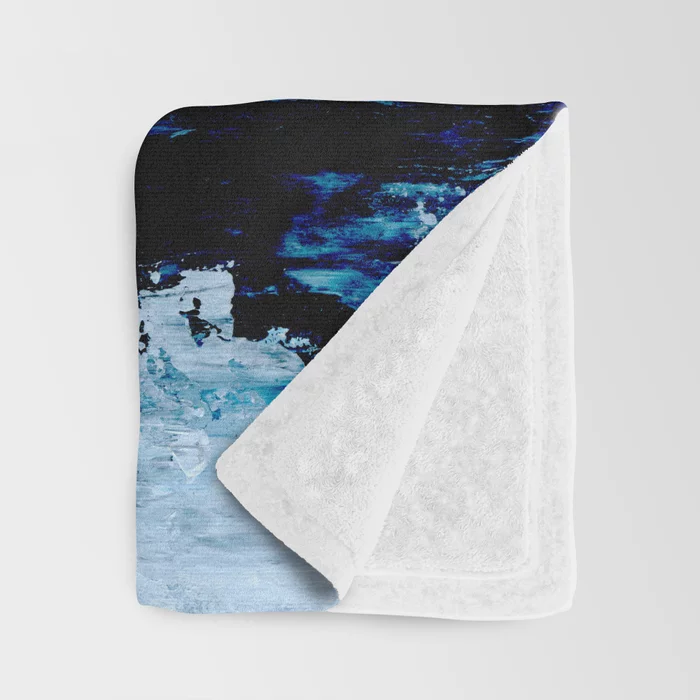
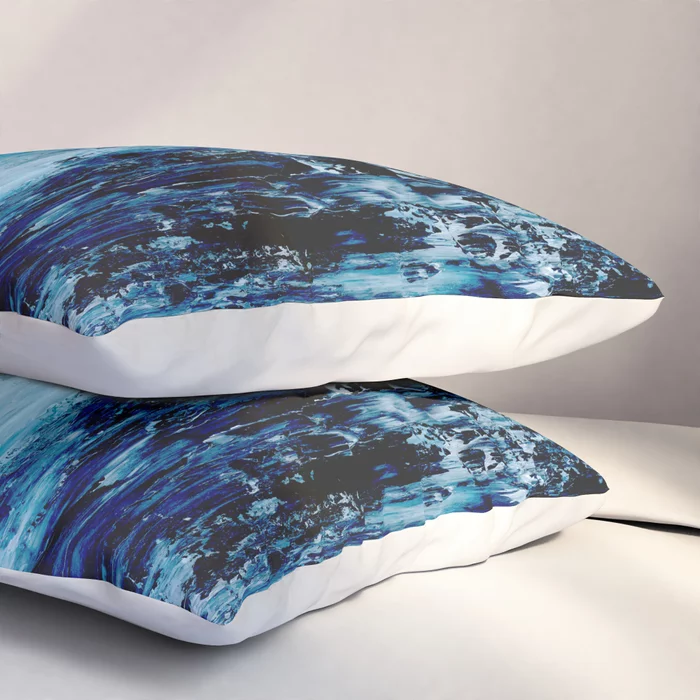
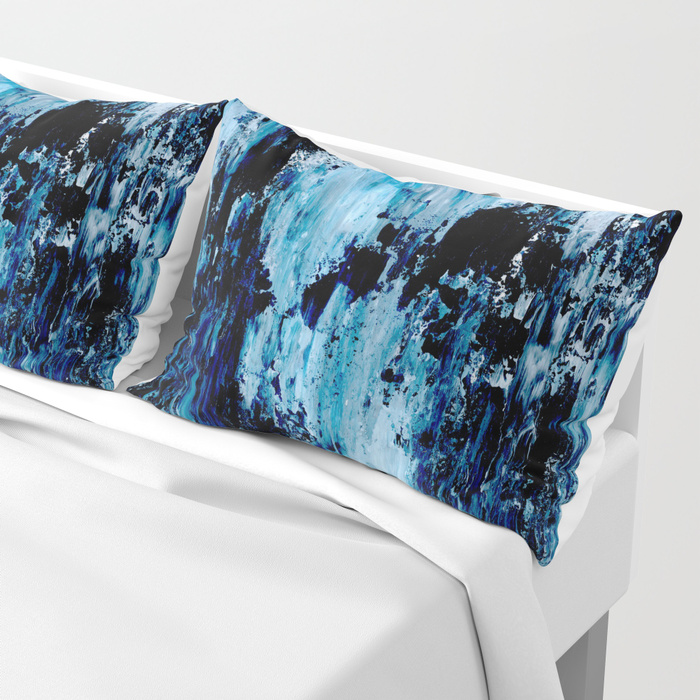
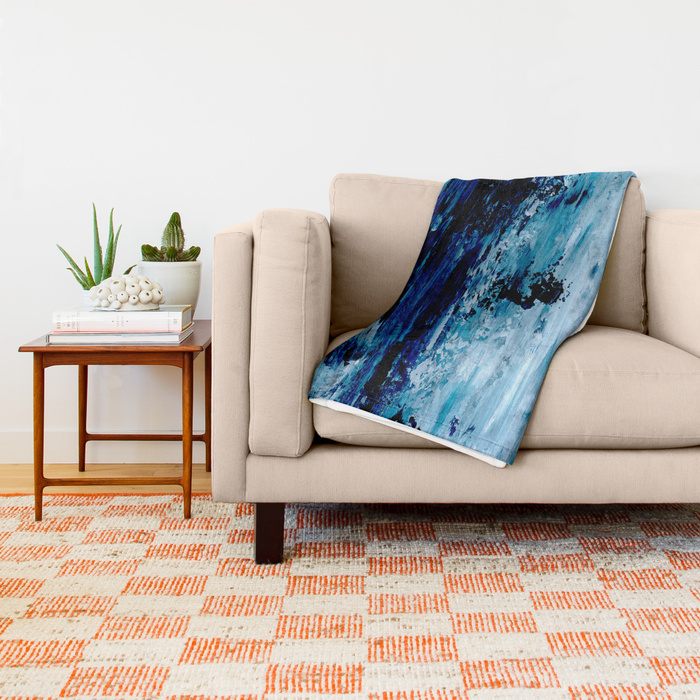
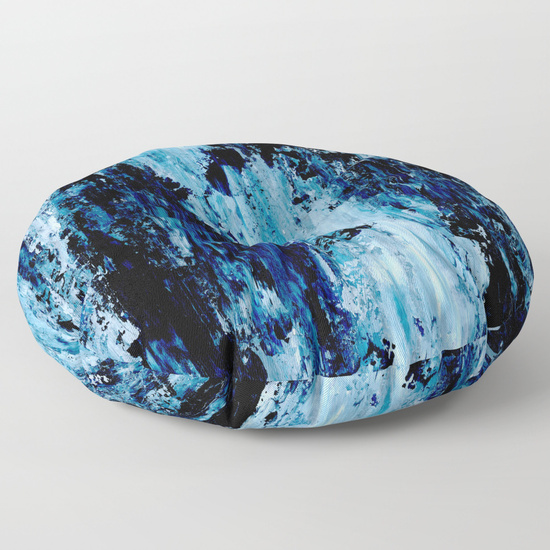
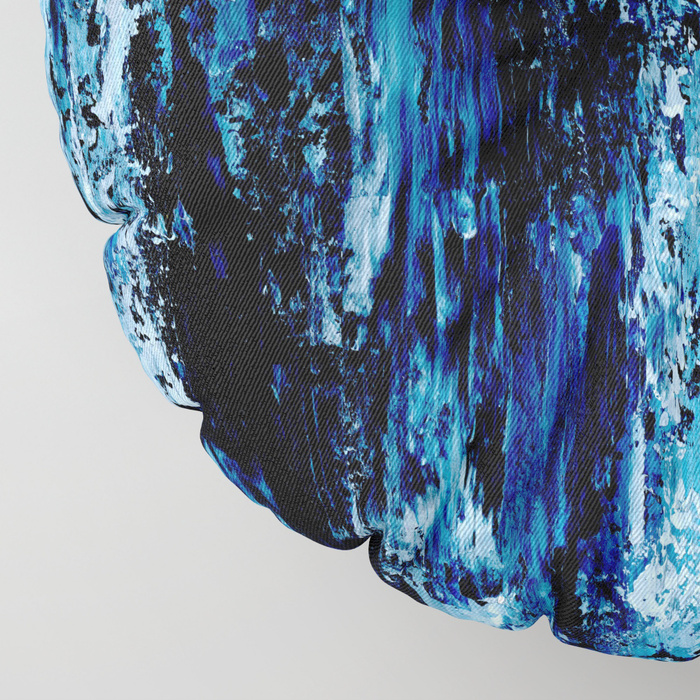
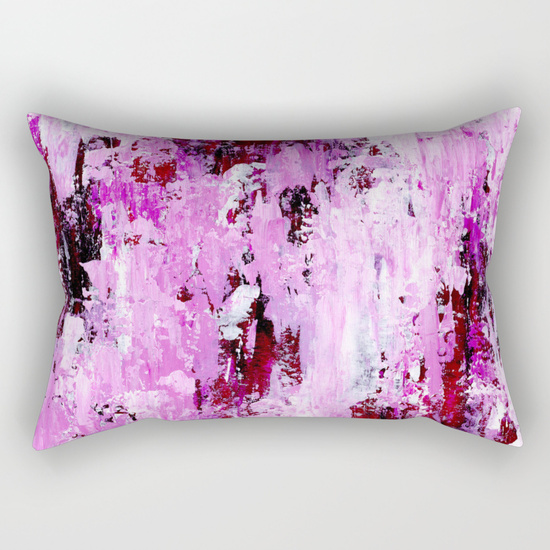
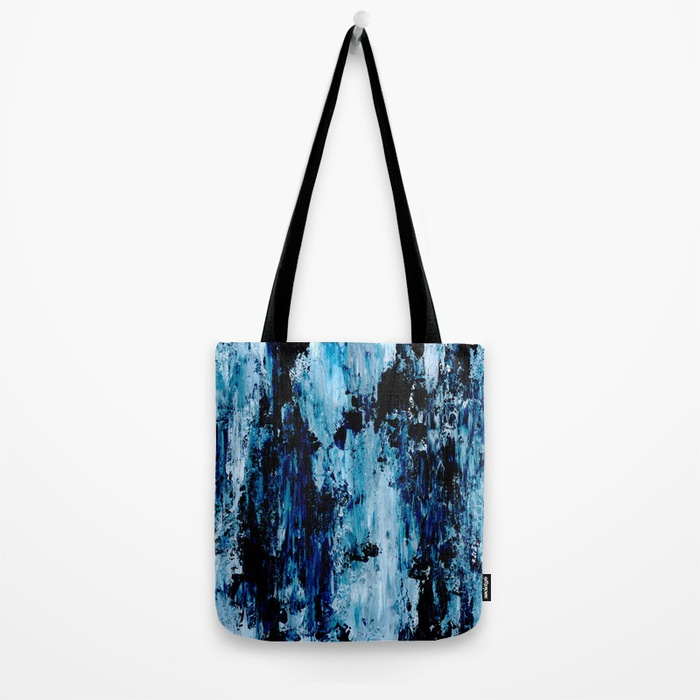
As a way to reflect on the journey we’ve had, I want to take a moment to nostalgically look back at some of the items that featured my designs that you could once purchase on Society6. Those creations represented countless hours of hard work and love, and it’s bittersweet to think they are no longer available on that platform.
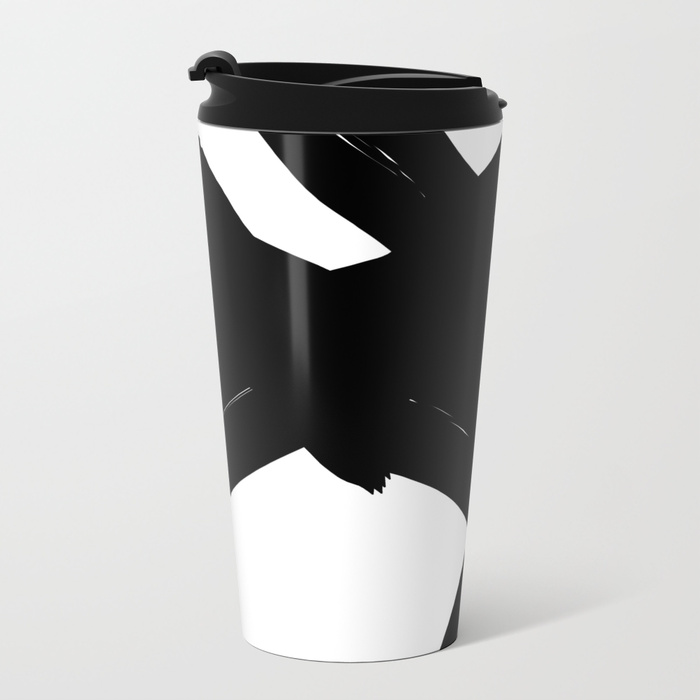
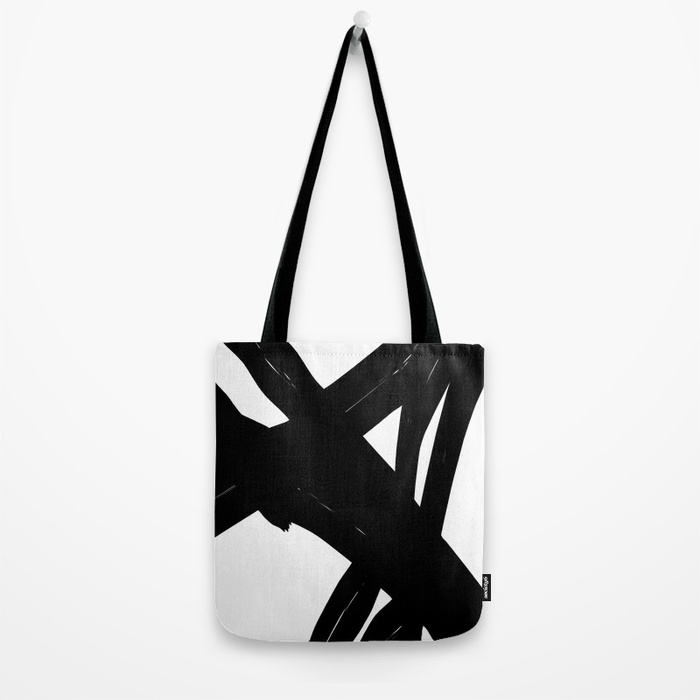
But let’s not dwell on the sadness! I’m excited to share that I still have my shop on Zazzle, which I’ve mentioned before. This platform allows me to continue my passion and share my designs with all of you. And here’s some good news: I’ve been busy preparing new, amazing products that feature the classic black-and-white designs you all love!
So, let’s not lose heart! I promise to return next week with new items that I can’t wait for you to see. Thank you for your support, and let’s look forward to what’s next together 🙂 .
I’m pleased to take part in the International Mail Art Exhibition Retrato de Artista Quando Hoje, a traveling exhibition presented by Psiu Poético Beagá 2025, Instituto Imersão Latina (IMEL), and The Virtual Museum of Visual Poetry. The exhibition will be held at Casa de Jornalista / Sindicato d@s Jornalistas de Beagá in Belo Horizonte, Brazil, from March 17–21, 2025, under the curatorship of Tchello d’Barros.
Originally displayed at Influjo Cultural Space in Mérida, Mexico, and later at Centro Cultural Hermes de Paula in Montes Claros (MG), this collective project now arrives in Minas Gerais’ capital, celebrating the intersection of visual poetry and postal art.
Exhibition Dates: March 17–21, 2025 Venue: Casa de Jornalista / Sindicato d@s jornalistas de MG, Av. Álvares Cabral, 400, Belo Horizonte (MG), Brasil Curated by: Tchello d’Barros
This site uses cookies to enhance your experience. By continuing to visit this site you agree to our use of cookies. Cookie Policy