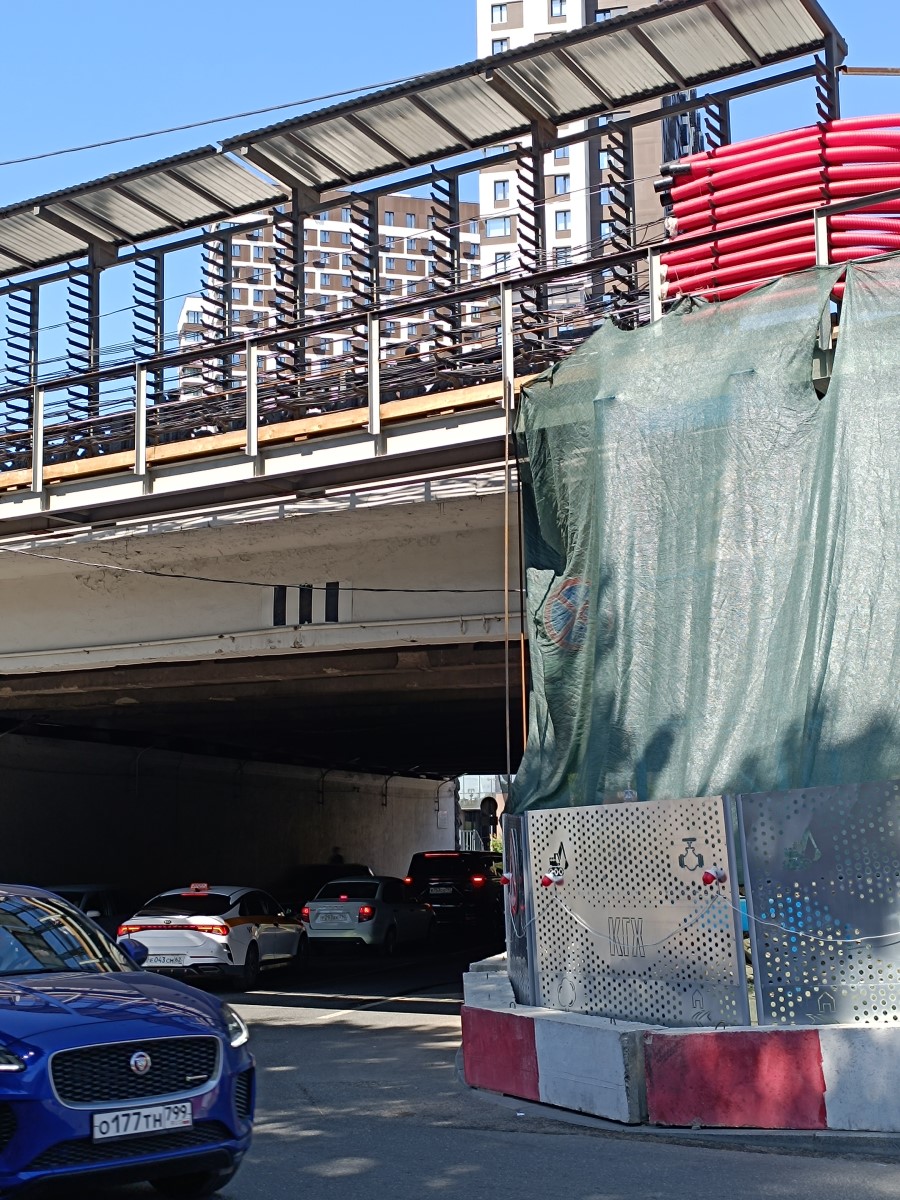
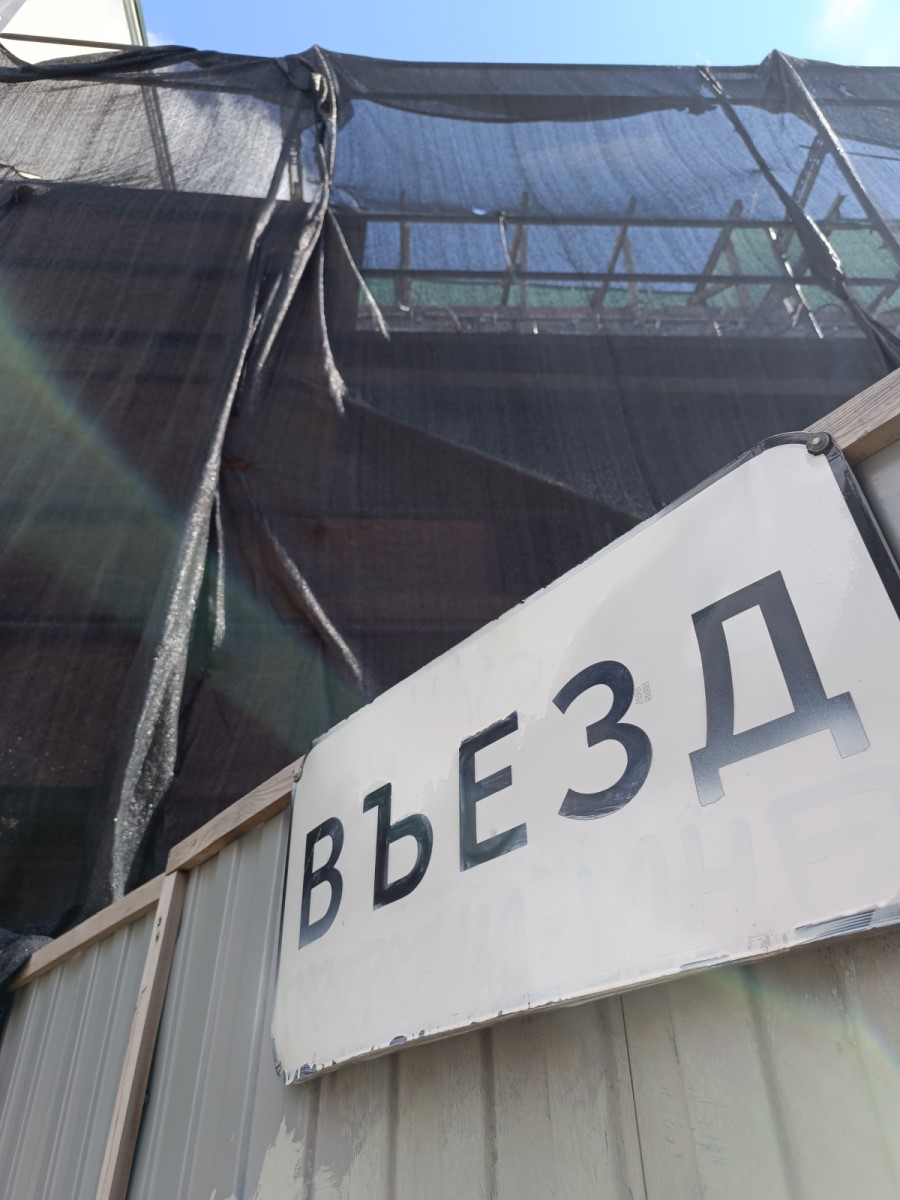
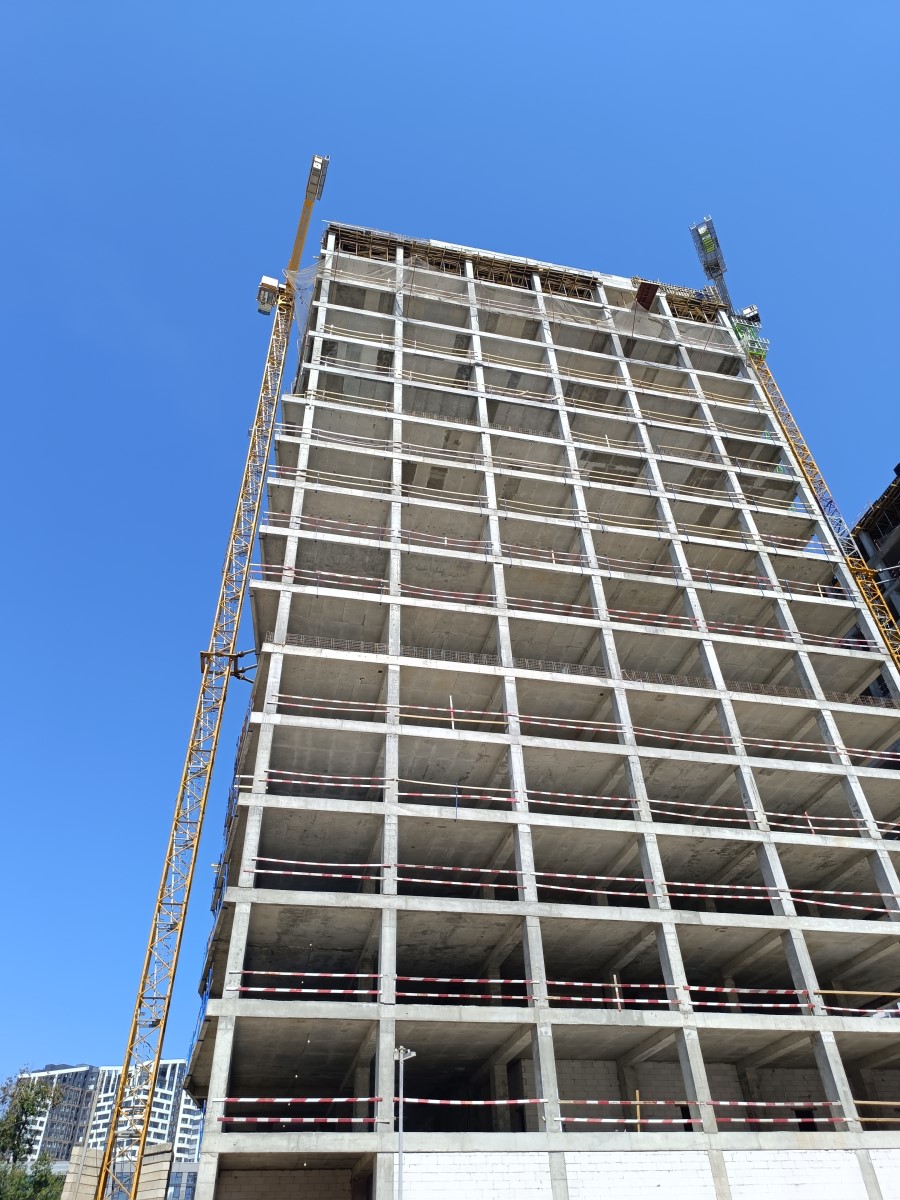
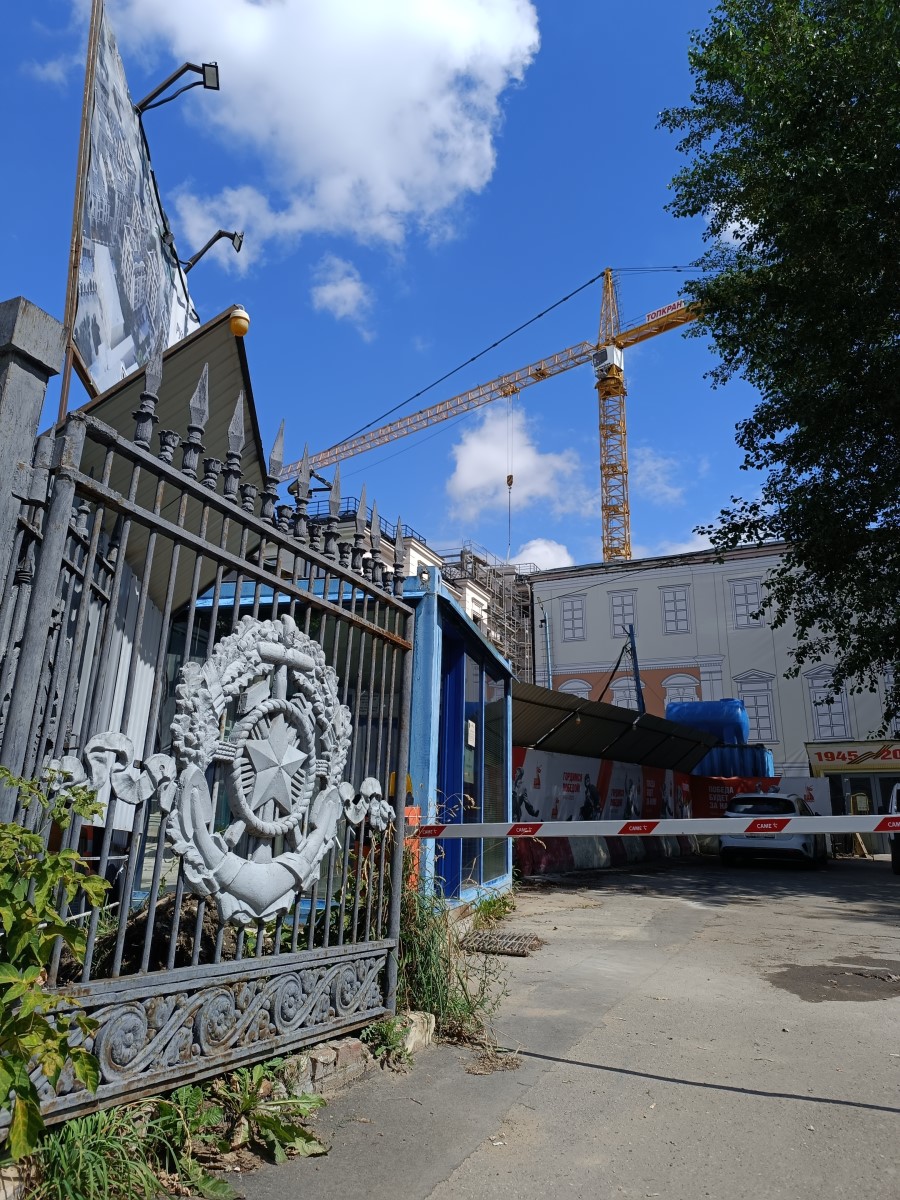
The city never stops building. Cranes against the sky, concrete rising floor by floor, windows that stare blankly into nowhere. We build and build, as if the next tower will finally hold everything together. But what are we building? Boxes for living. Cages for sleeping. Concrete honeycombs where we hide from each other.
Standing at the foot of a new construction site, I look up. The buildings lean toward me, their weight pressing down. They don’t see the sky anymore—they’ve become the sky. And in their shadow, I realize: the more we build, the more we disappear into what we’ve made.
I leave the city for the water, for the surface where the only thing above me is open air. Not to escape—I’ve stopped thinking in those terms. Just to see it from a distance. To understand its shape, its rhythm, its breath. From the lake, the skyline shrinks. The towers become lines on the horizon. The noise becomes a low hum. And I can finally see it for what it is: a construction site where we are all building, but forgetting what we’re building for.
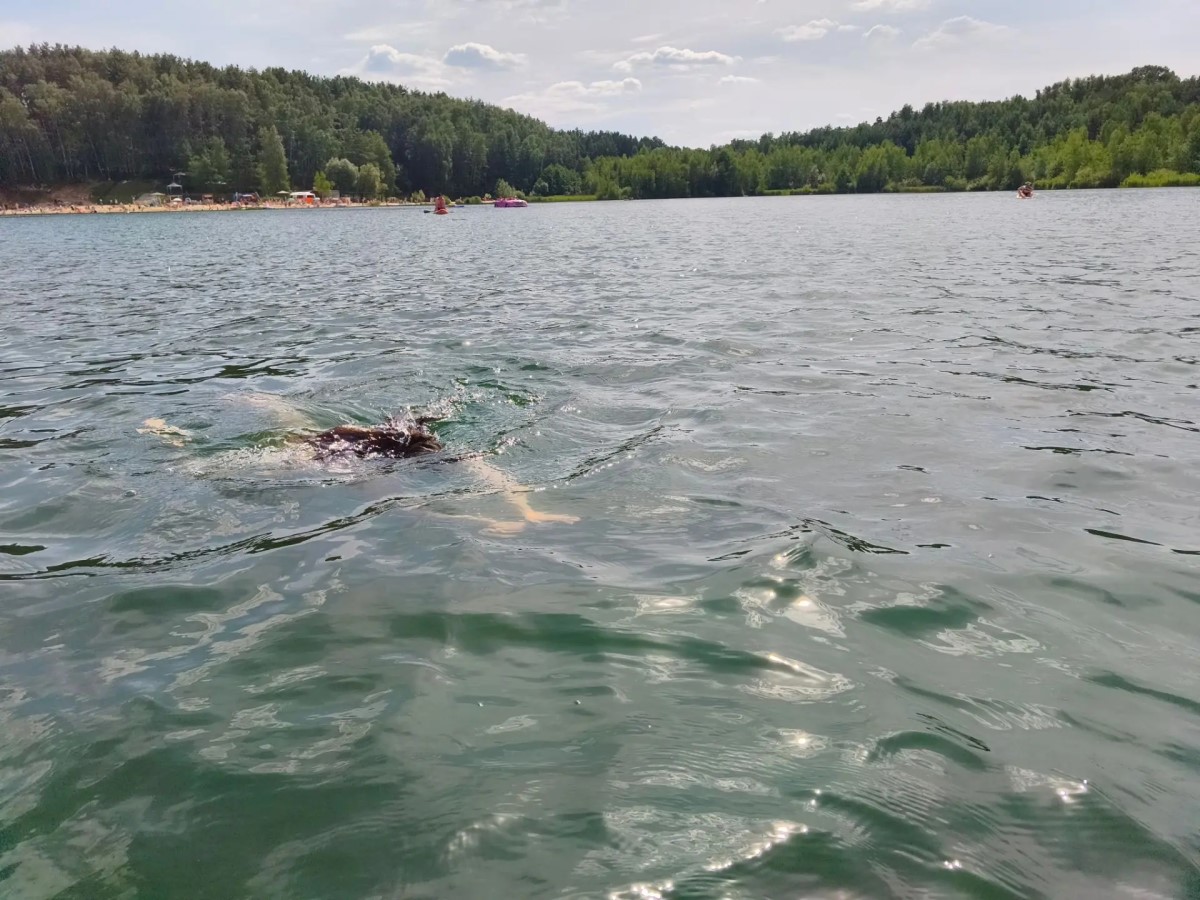
Underwater, there is no construction. No concrete. No noise. Just breath, weightlessness, and the silence that the city can never give. Down there, I listen to what is missing: the absence of building, the absence of clamor. I think about how we build walls around ourselves—walls of silence, walls of things left unsaid.
Sometimes the hardest thing is not building. It’s waiting. It’s leaving a door open without knowing if anyone will walk through. It’s learning to sit with the silence and not fill it with more walls.
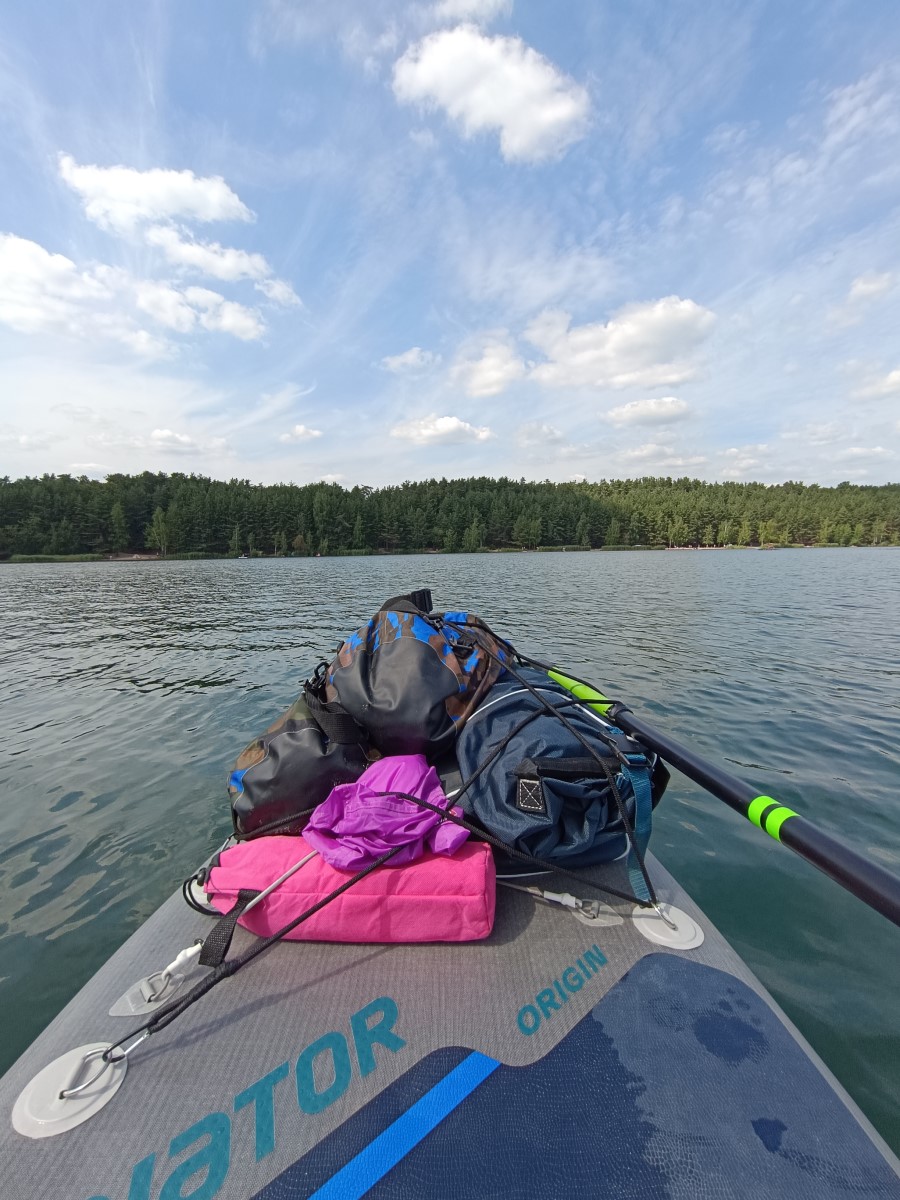
I surface. I sit on the SUP board, floating. The city is there, on the shore, breathing, never sleeping. I don’t turn away. I stay. I watch. I wait—not for an answer, but for the right moment when the silence becomes a door instead of a wall.
It rained every day. Not the kind of rain that cleans the air—the kind that seeps into your bones, blurs the horizon, and makes the world feel slightly out of focus.
I left for vacation to escape the sound that now lives in the sky, and somehow already inside me.
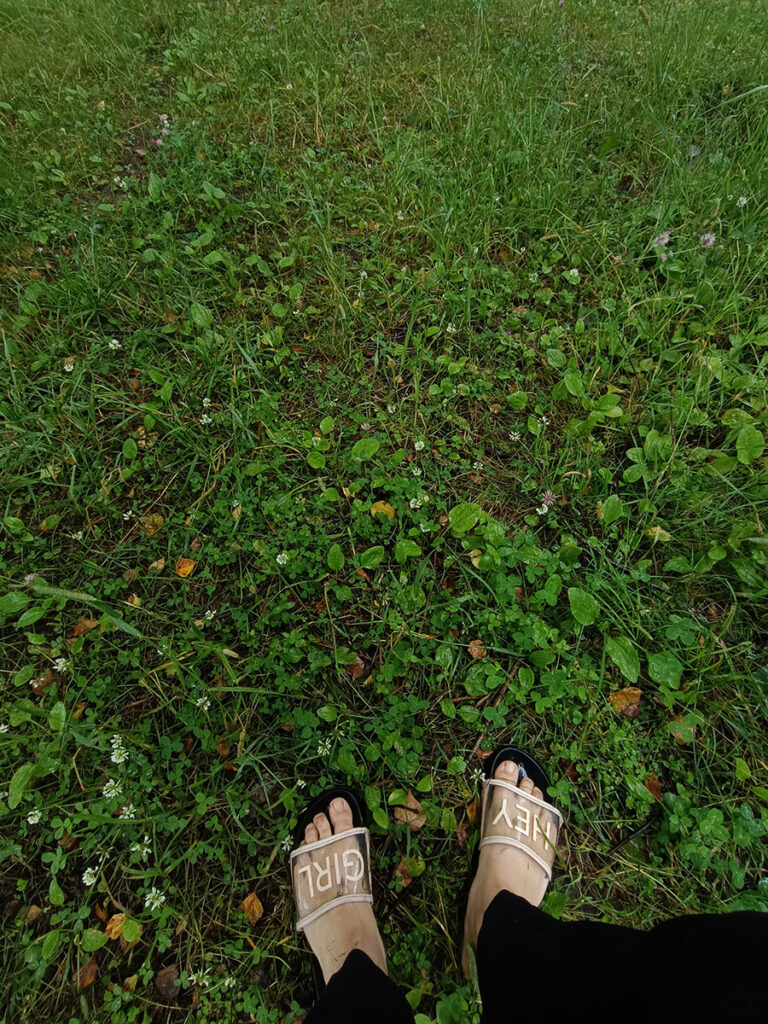
One day I walked into the forest in my flip-flops. After the rain, the grass was wet, and my feet immediately became damp—pleasantly so, like in childhood. Little twigs kept sneaking inside, and I had to stop, shake them out. There was so much forgotten peace in that simple gesture.
Later, I stood on the lake shore. The water came up to my ankles, but I didn’t take my flip-flops off. I just stood there—wet, happy.
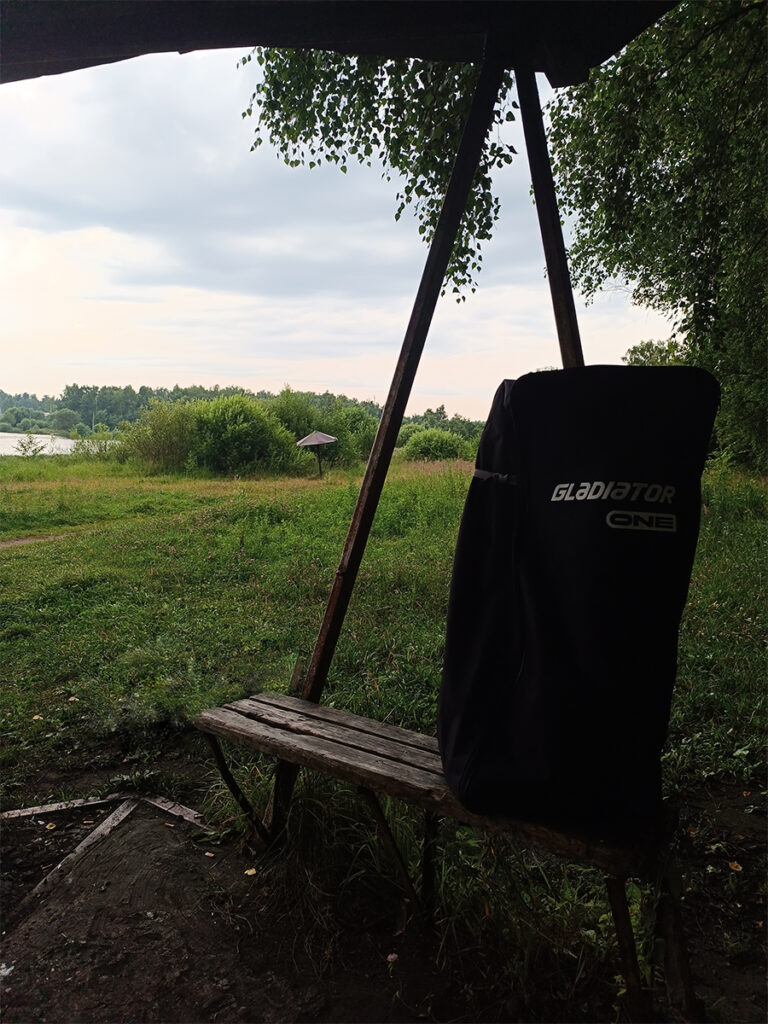
And then it began. I didn’t even have time to take the SUP out of the backpack. It stayed there, sitting on a bench, like a silent witness.I hid under the shelter from the rain—and from the sound that came again. From the other shore—a sharp pop. A shudder ran through the ground. A black cloud began to spread above the forest.
I sat on a bench, looking at the SUP board in its backpack, at my wet feet with blades of grass stuck to them, and I thought about how fragile this world is. Truly fragile. Not as a metaphor, but like this—to the touch. Like a thin fabric that could be torn with a single motion.
The rain stopped. The sky began to lighten. I inflated the SUP and pushed off into the lake. Gliding across the water, I could feel the tension slowly leave my body. The surface was like glass, and for a while, it was just me, the paddle, and the quiet. But it didn’t last. From all directions—from the shores I couldn’t see, from behind the treeline—came the sound. Distant pops. Low rumbles. The lake, so peaceful on the surface, seemed to tremble with every blow.
And then I realized: the sound no longer surprises me. At home, I have grown so accustomed to it—to something flying overhead at night, to the pops. I thought I could escape by coming here. But the sound followed me. It was already inside me. I understood that I can no longer run from it. Nowhere. Ever.
And I also thought—with shame, with bitterness, with honesty—that in such moments, what I remember is not the global scale of things, but the deeply personal. Words I never managed to say—to people who might never know. I’ve known this for a while. It comes back every time the ground shakes.
Later, back on solid ground, I lay in the grass and listened to music. A lot of it. But one song kept circling back—”Lass es kreisen” by AnnenMayKantereit.
«Nach so vielen Monaten alleine musst du mir erst mal beweisen, dass du es noch kannst: Tanz.»
After so many months alone, you have to prove that you can still do it: dance.
I lay there and thought about what it would mean to dance now—with this weight, with this sound still ringing in my ears. Maybe that’s the only way forward. Not to run, not to fight, but to stay and move anyway.
I no longer try to run. I simply register: this is now part of the landscape. Part of me.
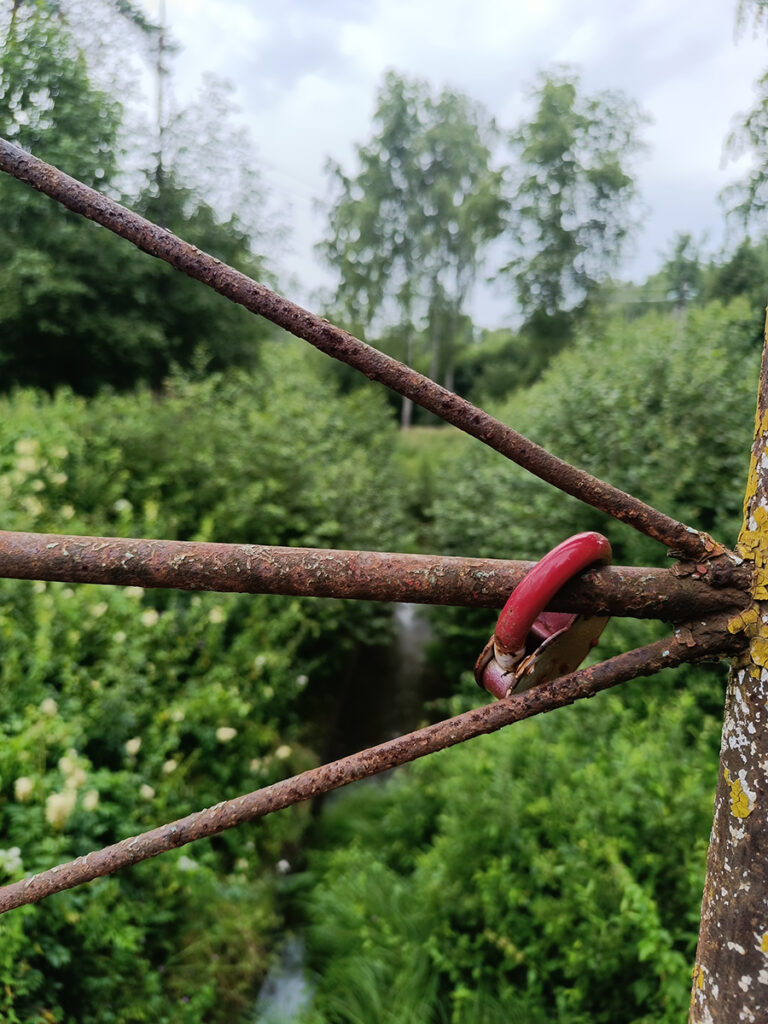
Walking back, I noticed the small things I had missed before. A broken branch. A feather floating on the water. Drawings on a substation. And then—on the bridge over the stream, someone once hung a padlock—a little red heart. Rusted, closed. A symbol of eternal love, left here to stay. No matter what.
This is what I carry back to the studio. Not answers. Not conclusions. Just fragments—of sound, of silence, of a world that keeps glitching. I don’t know if I’ll turn this into a collage or something else entirely. The sound is already captured—one field recording, made on the spot. And I know this: the hyper-urban is not only in the city. It is in the way a sharp pop echoes across a lake, in the way a black cloud spreads above a forest, in the way we can no longer tell where nature ends and the machine begins.
Perhaps this is what my work is really about: not the city, but the moment when the city enters the forest. And stays.
This site uses cookies to enhance your experience. By continuing to visit this site you agree to our use of cookies. Cookie Policy