Diana Kroshilova

Hyperurban

The City That Never Stops Building

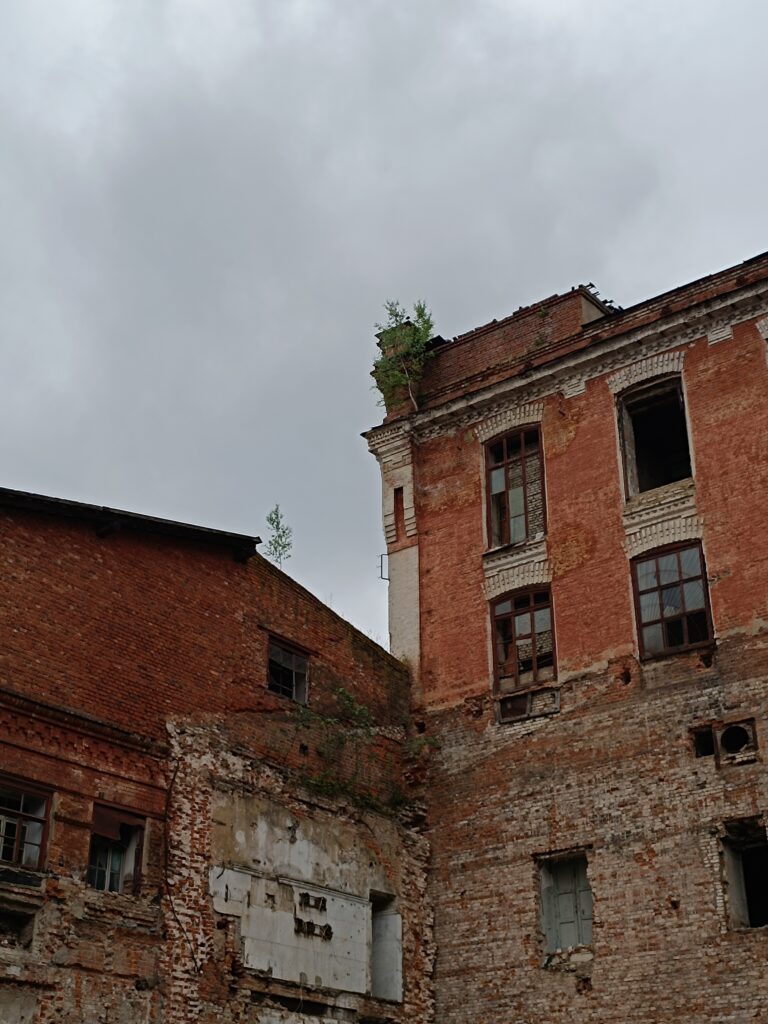
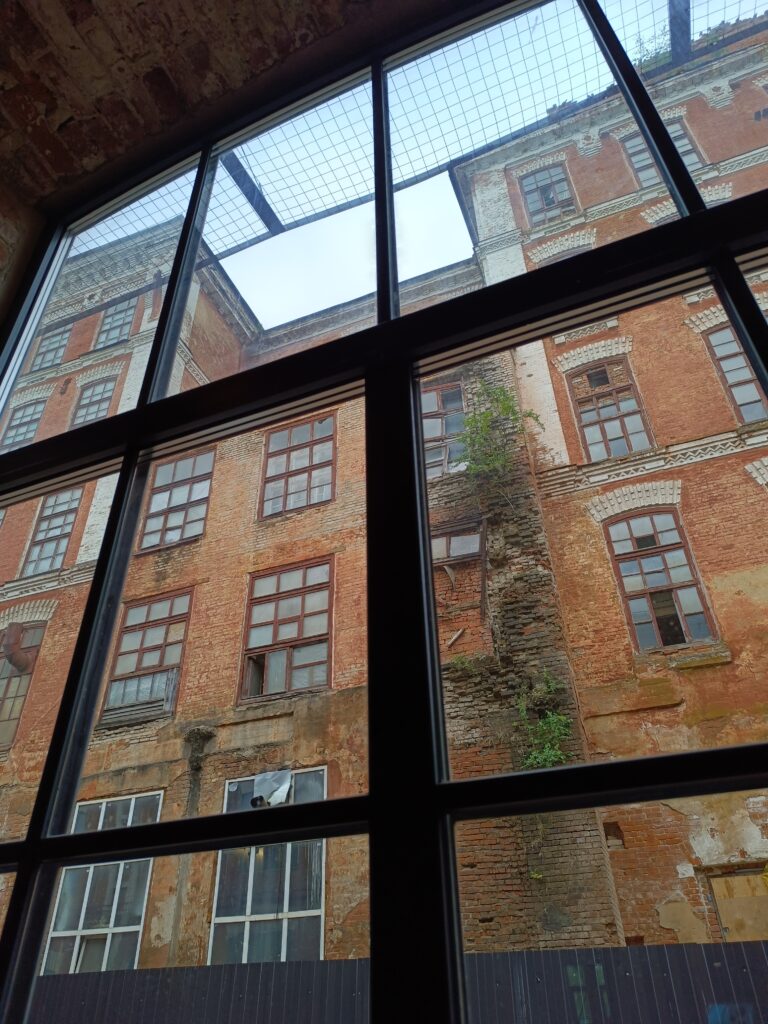
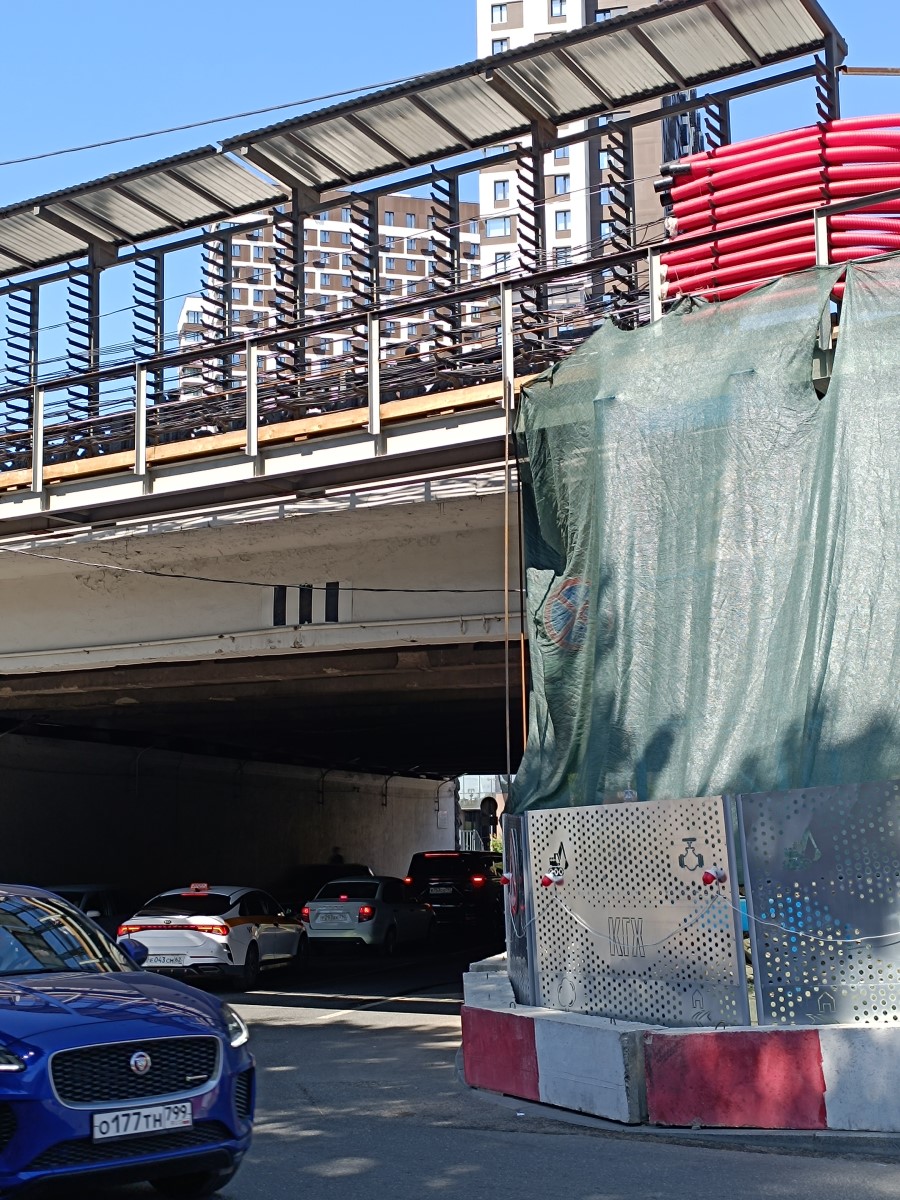
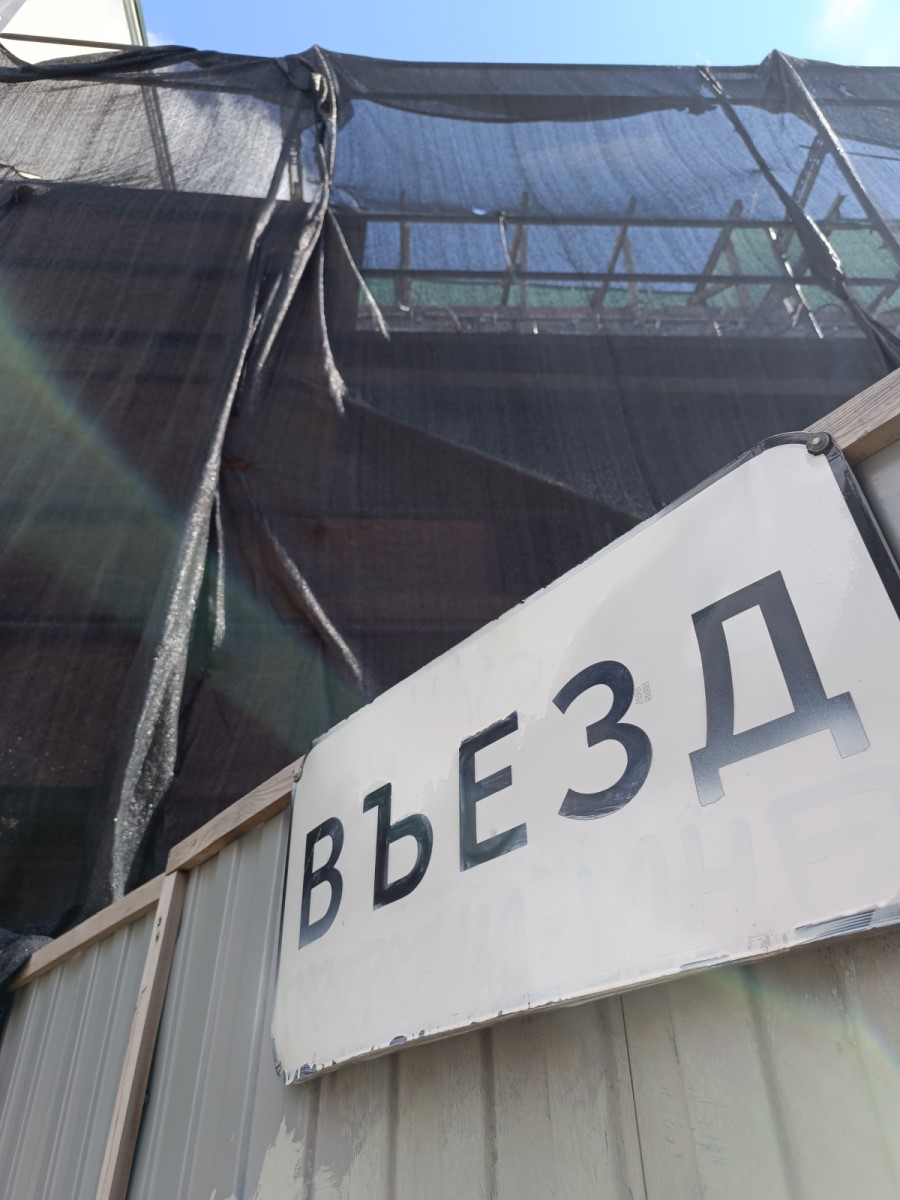
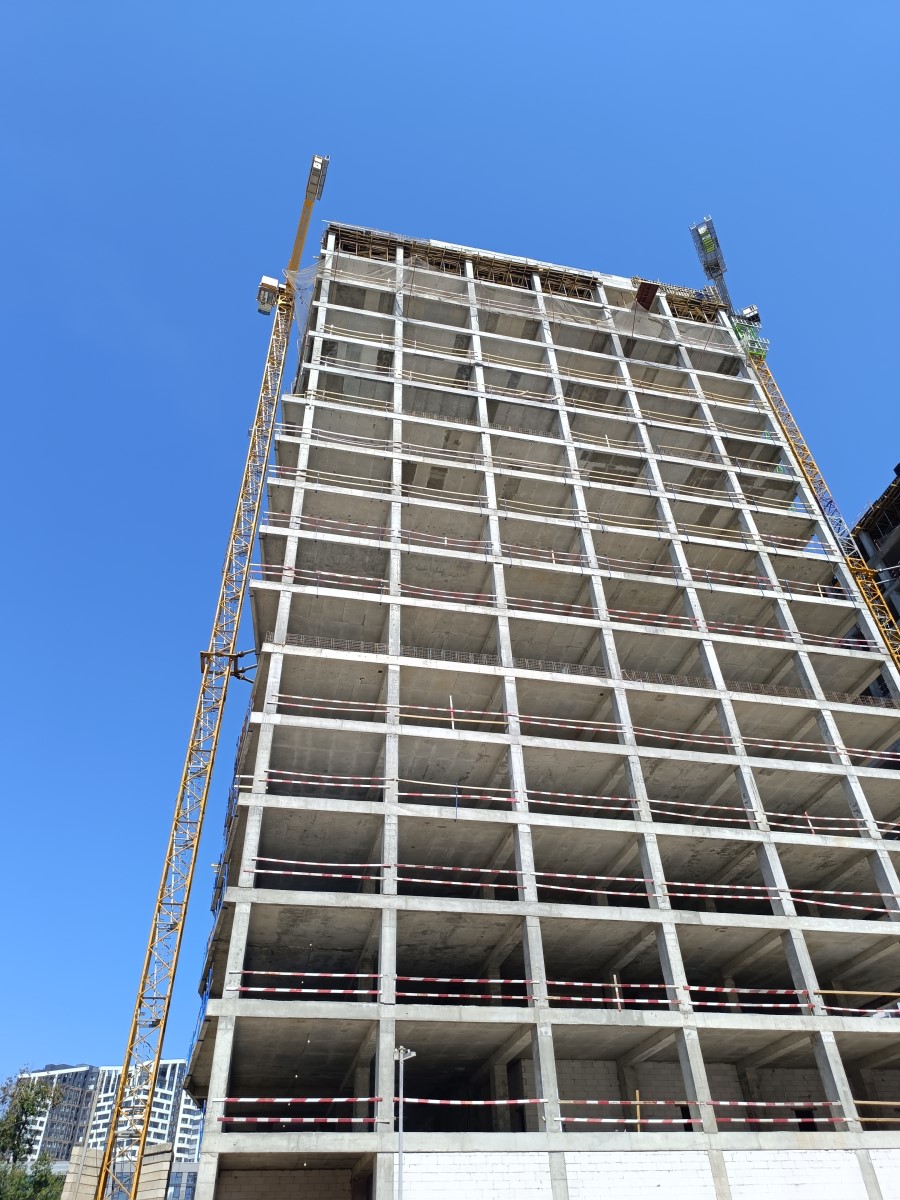
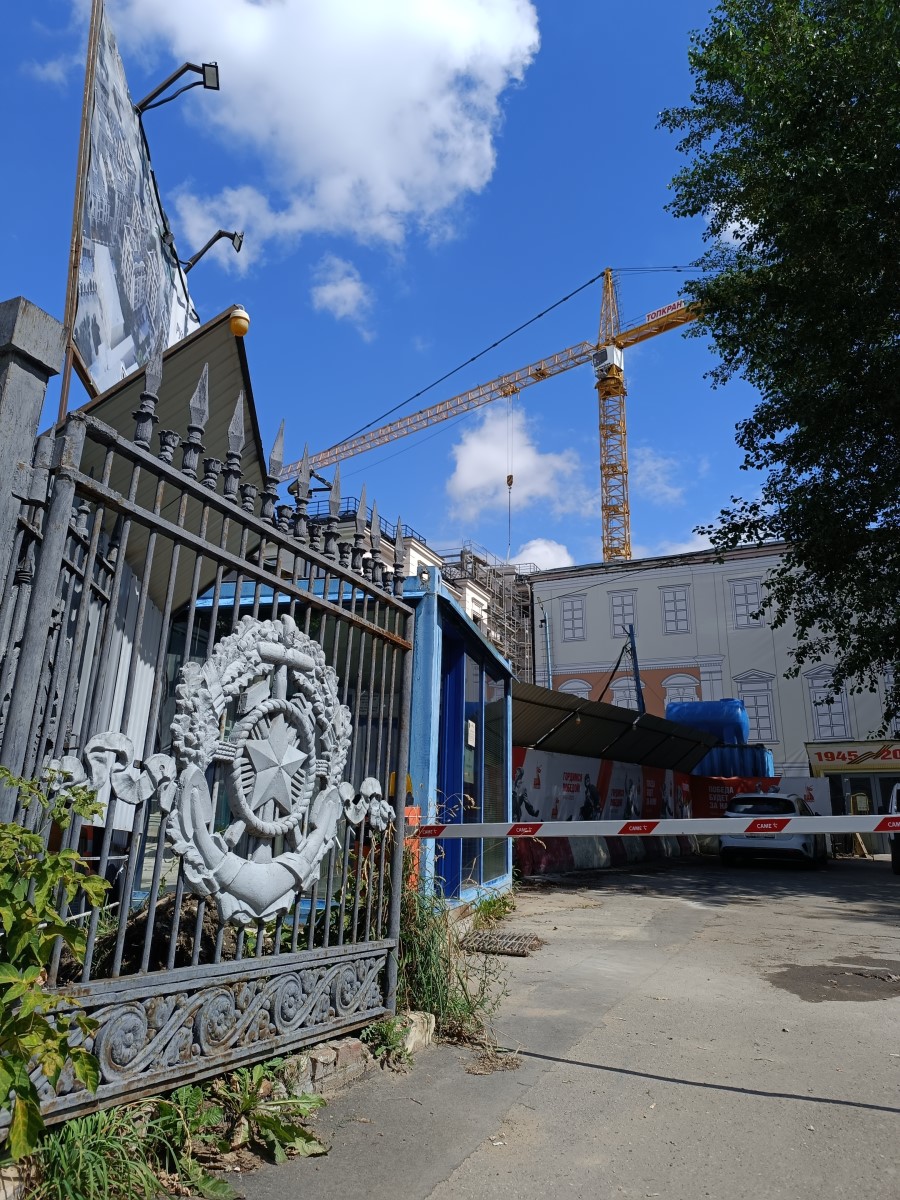
The city never stops building. Cranes against the sky, concrete rising floor by floor, windows that stare blankly into nowhere. We build and build, as if the next tower will finally hold everything together. But what are we building? Boxes for living. Cages for sleeping. Concrete honeycombs where we hide from each other.

Standing at the foot of a new construction site, I look up. The buildings lean toward me, their weight pressing down. They don’t see the sky anymore—they’ve become the sky. And in their shadow, I realize: the more we build, the more we disappear into what we’ve made.

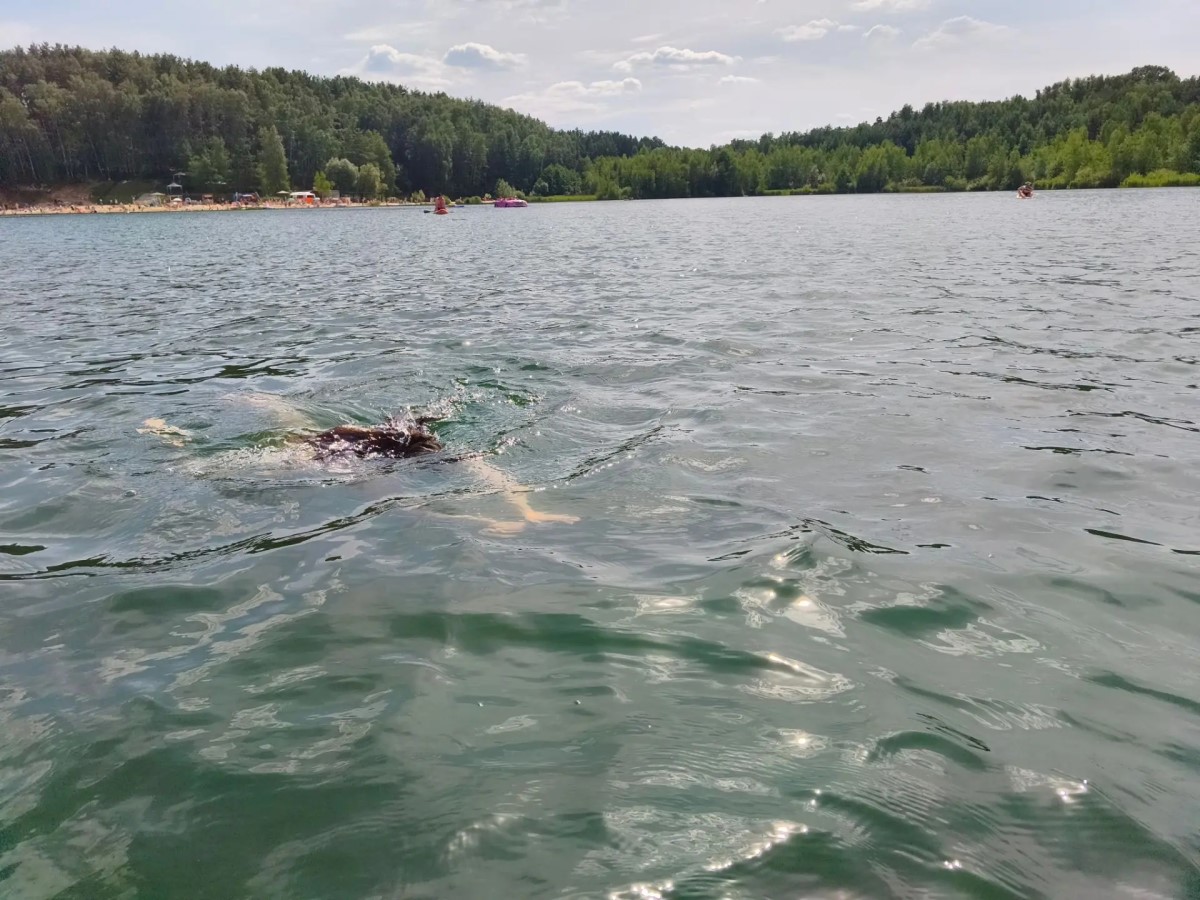
I leave the city for the water, for the surface where the only thing above me is open air. Not to escape—I’ve stopped thinking in those terms. Just to see it from a distance. To understand its shape, its rhythm, its breath. From the lake, the skyline shrinks. The towers become lines on the horizon. The noise becomes a low hum. And I can finally see it for what it is: a construction site where we are all building, but forgetting what we’re building for.

Underwater, there is no construction. No concrete. No noise. Just breath, weightlessness, and the silence that the city can never give. Down there, I listen to what is missing: the absence of building, the absence of clamor. I think about how we build walls around ourselves—walls of silence, walls of things left unsaid.

Sometimes the hardest thing is not building. It’s waiting. It’s leaving a door open without knowing if anyone will walk through. It’s learning to sit with the silence and not fill it with more walls.

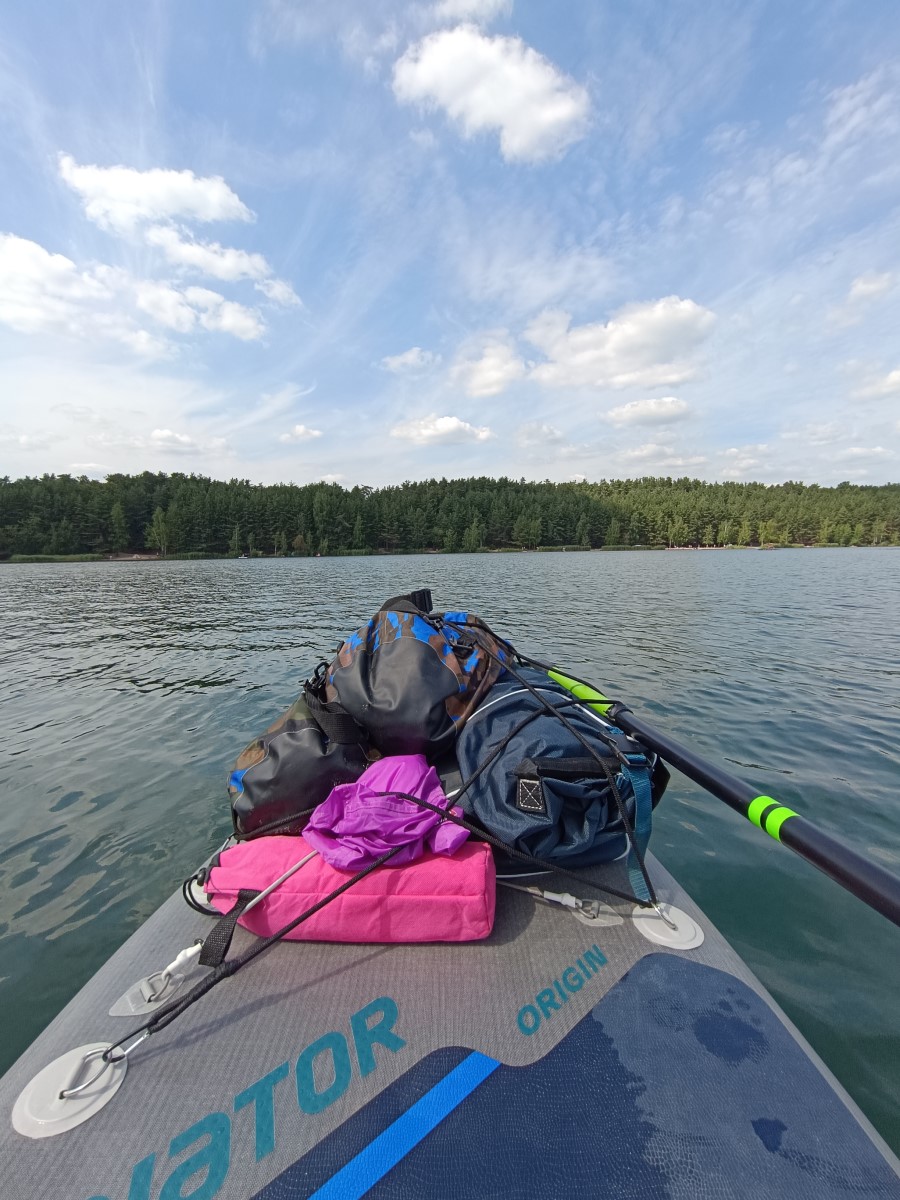
I surface. I sit on the SUP board, floating. The city is there, on the shore, breathing, never sleeping. I don’t turn away. I stay. I watch. I wait—not for an answer, but for the right moment when the silence becomes a door instead of a wall.

 A New Studio: On Space, Chaos, and the Shape of Things to Come

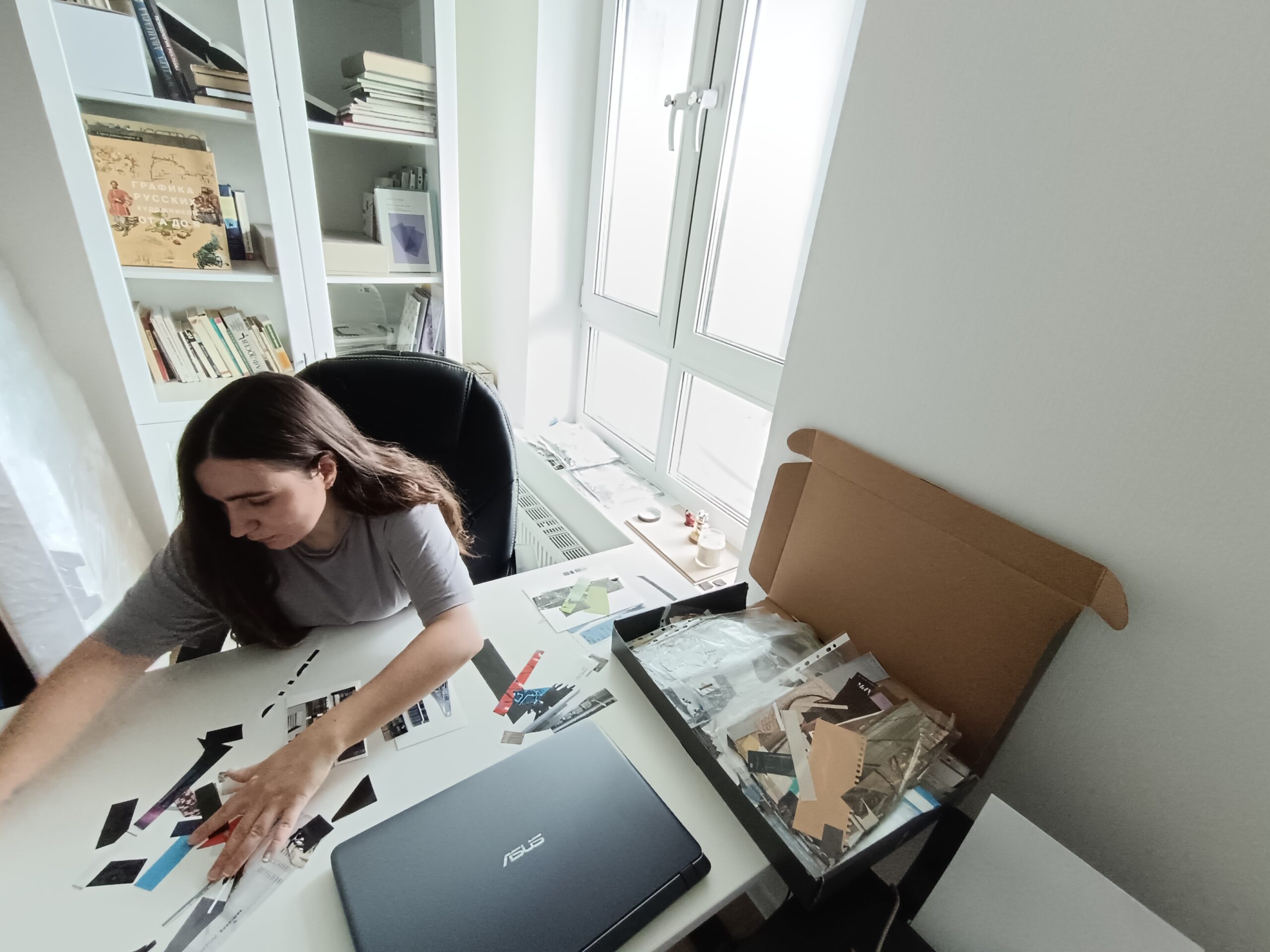
It has been a while since I last shared a studio update. The reason is simple: I have moved into a new space. And like any true beginning, it started with boxes.

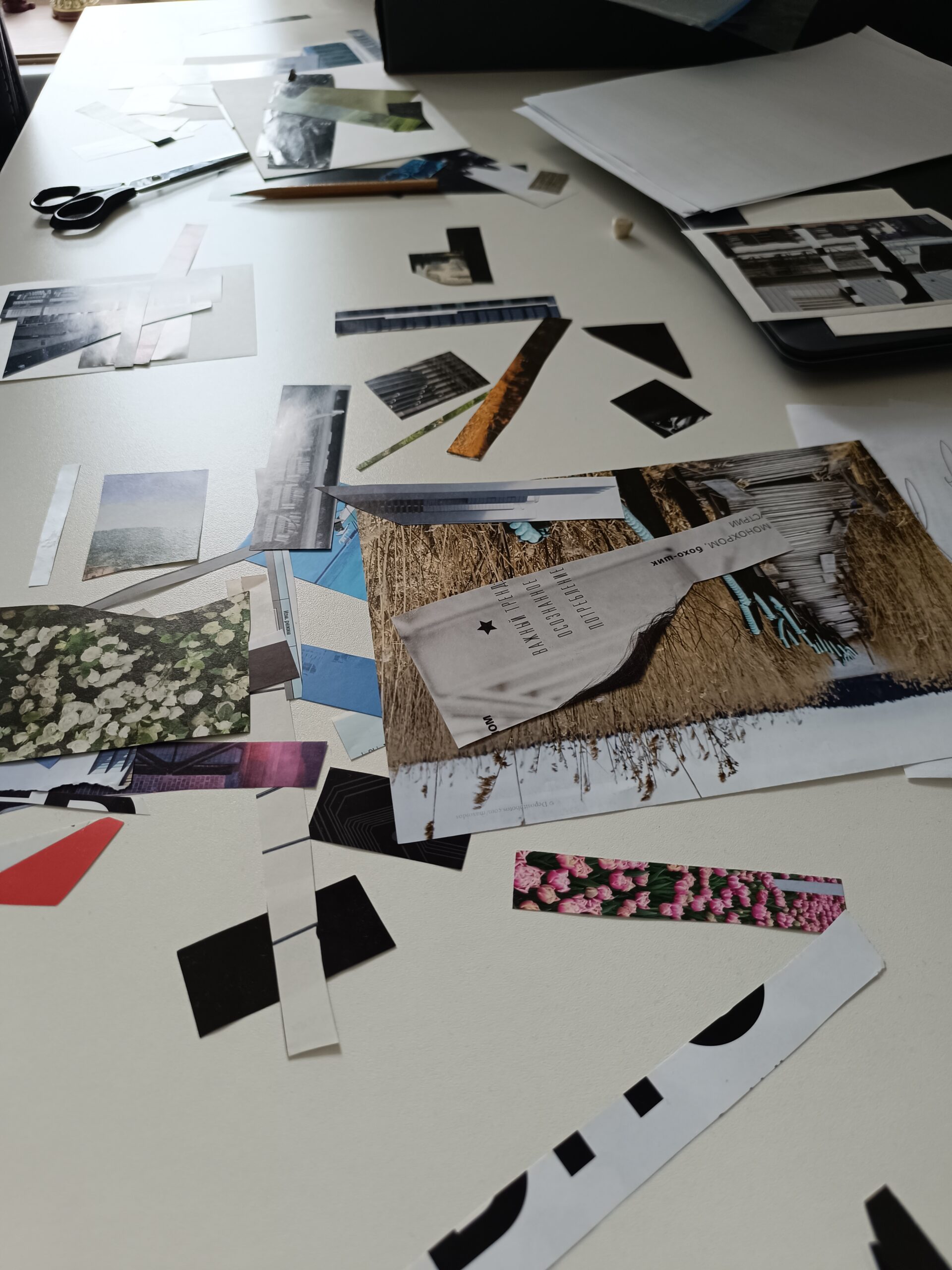
Right now, my new studio is far from being fully arranged. Paintings still rest in their protective wrapping, books wait to be sorted, tools and papers are scattered across every available surface. It is, to put it mildly, a beautiful chaos.

But in this state of transition, I find something unexpectedly inspiring. An unpacked studio is like a blank canvas—full of potential but not yet committed to any particular form. Every object, every stack of paper, every rolled canvas is still in dialogue with the space itself. The shelves are not yet filled, the walls are still silent, the light changes throughout the day as if testing where to land.

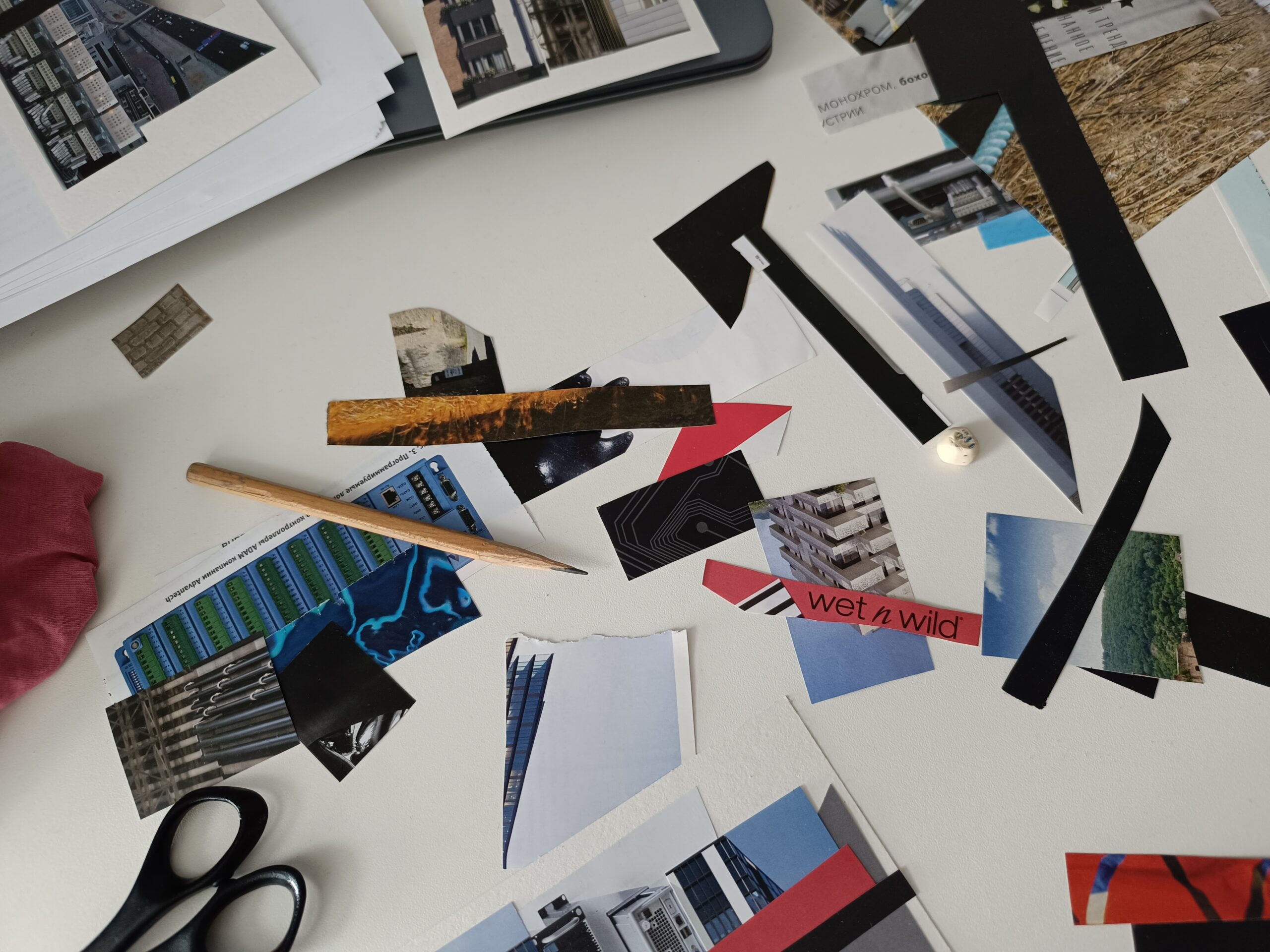
This moment of “not yet” feels strangely appropriate for my practice. My work with collage and glitch is fundamentally about reassembling fragments into new configurations. What is moving a studio, if not a similar act of disassembly and reconstruction?

The unpacking will continue slowly—intentionally so. I want to feel how this space breathes before I impose a rigid order upon it. Perhaps I never will. Perhaps the creative chaos is exactly what this studio needs to become a true home for new urban landscapes, new collisions of architecture and abstraction, new glitches waiting to be discovered.

For now, I am simply grateful for the walls, the light, and the promise of what is to come.

If you would like to see more of this process, you can browse through my older studio photographs, which I have shared before here in the Journal.